The Science of Love
Suggested Reading:
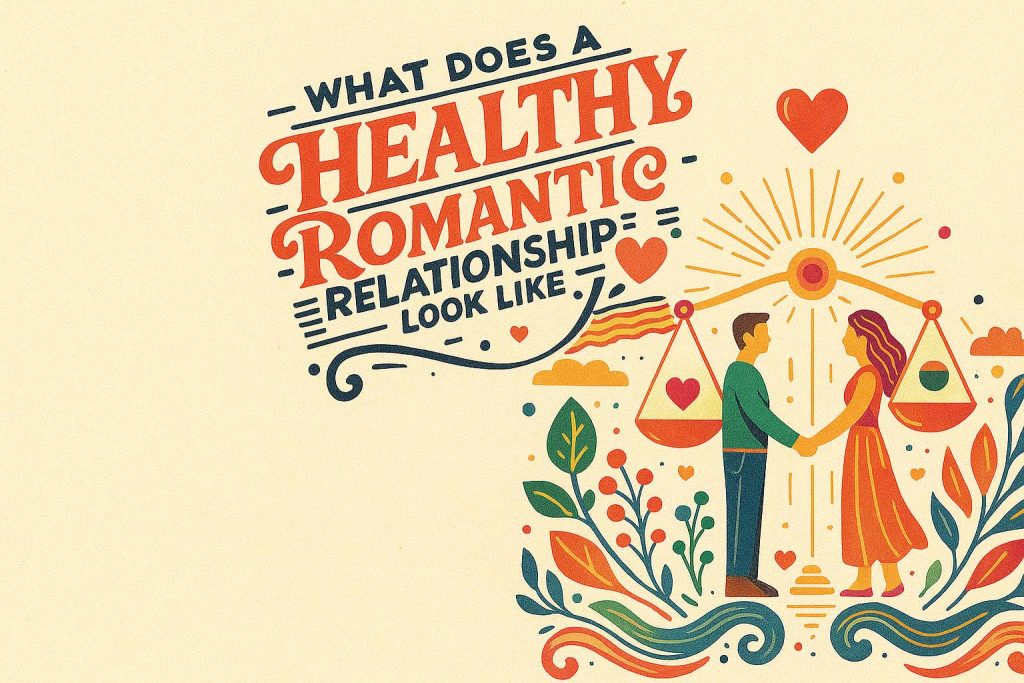
What does a healthy romantic relationship look like?
There are people who have their ideals of a romantic relationship and often these ideals can be perpetuated from television shows, movies, drama serials etc. It is important to develop the correct perspective on what a healthy romantic relationship looks like and most importantly, the skills necessary to build that relationship.
However, first let us look at what an unhealthy romantic relationship looks like.
Signs of an unhealthy romantic relationship
When a partner uses verbal insults, mean language, nasty putdowns, gets physical by hitting or slapping, or forces someone into sexual activity, it’s a sign of verbal, emotional, or physical abuse.
Ask yourself, does my partner:
- get angry when I don’t drop everything for him or her?
- criticize the way I look or dress, and say I’ll never be able to find anyone else who would date me?
- keep me from seeing friends or from talking to other guys or girls?
- want me to quit an activity, even though I love it?
- ever raise a hand when angry, like he or she is about to hit me?
- try to force me to go further sexually than I want to?
These aren’t the only questions you can ask yourself. If you can think of any way in which your boyfriend or girlfriend is trying to control you, make you feel bad about yourself, isolate you from the rest of your world, or — this is a big one — harm you physically or sexually, then it’s time to get out, fast.
If you are in an unhealthy relationship let a trusted friend or family member know what’s going on because your safety is important. It can be tempting to make excuses or misinterpret violence, possessiveness, or anger as an expression of love. But even if you know that the person hurting you loves you, it is not healthy. No one deserves to be hit, shoved, or forced into anything they don’t want to do. There can be long-term repercussions if you remain in the toxic relationship. Make the decision to leave the relationship as soon as possible. Seek assistance from your teacher or a trusted adult if the other party makes you feel threatened.
Why are some relationships just so hard to maintain?
Ever heard about how it’s hard for someone to love you when you don’t love yourself? It’s a big relationship roadblock when one or both people struggle with self-esteem problems. Your girlfriend or boyfriend isn’t there to make you feel good about yourself if you can’t do that on your own. Focus on being happy with yourself, and don’t take on the responsibility of worrying about someone else’s happiness.
What if you feel that your girlfriend or boyfriend needs too much from you? If the relationship feels like a burden or a drag instead of a joy, it might be time to think about whether it’s a healthy match for you. Someone who’s not happy or secure may have trouble being a healthy relationship partner.
Also, intense relationships can be hard for some teens. Some are so focused on their own developing feelings and responsibilities that they don’t have the emotional energy it takes to respond to someone else’s feelings and needs in a close relationship. Don’t worry if you’re just not ready yet. You will be, and you can take all the time you need.
Ever notice that some teen relationships don’t last very long? It’s no wonder — you’re both still growing and changing every day. You might seem perfect for each other at first, but that can change. If you try to hold on to the relationship anyway, there’s a good chance it will turn sour. It is better to part as friends than to stay in something that you’ve outgrown or that no longer feels right for one or both of you. Be honest about your feelings. Do the right thing.
Relationships can be really complicated but we all desire to have healthy relationships with people. “We may know what a healthy relationship looks like, but most people have no idea how to get one — and no one teaches us how to do so.” That’s what Joanne Davila, a professor of psychology and the director of clinical training at Stony Brook University in Stony Brook, New York, contends in a TEDxSBU talk.
The importance of romantic competence
Romantic competence is “the ability to function adaptively across all areas or all aspects of the relationship process [including] … figuring out what you need, finding the right person, building a healthy relationship, [and] getting out of relationships that are unhealthy.”
According to Davila and her colleagues, there are three core skills behind romantic competence: insight, mutuality and emotion regulation
The first skill is insight.
Insight is about awareness and understanding and learning. With insight, you’ll have a better idea of who you are, what you need, what you want, and why you do the things you do.
With insight, you’ll be able to anticipate the positive and negative consequences of your behaviour,” says Davila. Having insight means realizing when you say “thank you” after your partner hands you a coffee with a ½ teaspoon of sugar and a slug of oat milk – just how you like it – both of you will feel appreciated. Conversely, it also means knowing that when you forget to say “thank you” or delay responding to one of their texts for no good reason, they’ll probably feel annoyed or hurt.
Insight will also let you know your partner better. Let’s say your partner shows up late for a date. With insight, you’ll know why. For example, maybe your partner is late for everything. It’s nothing about you or the relationship. That’s just who your partner is.
The second skill is mutuality.
Mutuality is about knowing that both people have needs and that both sets of needs matter. With mutuality, you’ll be able to convey your own needs in a clear direct fashion; that increases the likelihood you’ll get them met.
Let’s say you have to go to a really stressful family event, and you’d like your partner to be there with you. You might say directly: “You know, this is going to be stressful for me. I’d really love for you to be there; you’ll be a really good buffer for me. Is there any way you can clear your schedule to come with me?”
Of course, mutuality is about ensuring your partner’s needs are addressed, too. Let’s say you know that your partner really likes to go to the gym first thing in the morning — it makes your partner feel better the rest of the day. Mutuality will let you be willing to support your partner in this even though you’d really rather have your partner spend quality time with you.
The third — and final — skill is emotion regulation.
Emotion regulation is an important skill to have in all of your relationships – romantic and platonic – because it enables you to tolerate uncomfortable feelings while also maintaining self-respect and a commitment to your own needs. It is about regulating your feelings in response to things that happen in your relationship. With emotion regulation, you’ll be able to keep your emotions calm and to keep things that happen in your relationship in perspective.
Emotion regulation means developing the ability to manage those moments when you might worry or snap. Davila gives the example of waiting for a text back from your partner: “That text isn’t coming. You’re getting really anxious. You’re checking your phone every two seconds. With emotion regulation, you’ll be able to tell yourself, ‘You know what? Calm down — the text is going to come. I don’t need to check my phone every second. I’m just going to put it away and focus on the task at hand’.
These three skills – insight, emotion regulation and mutuality will help you develop and enjoy healthier and happier relationships.
Relationships can be full of fun, romance, excitement, intense feelings, and occasional heartache, too. Whether you’re single or in a relationship, remember that it’s good to be choosy about who you get close to. If you’re still waiting, take your time and get to know plenty of people.
What skills do you need to work on to forge strong and healthy relationships?
How can you avoid being in unhealthy relationships?
Sources: