Free Solo 360 – National Geographic
https://www.youtube.com/watch?v=FRGF77fBAeM (6.48 mins)
Extreme sports, also known as action sports or alternative sports, are sporting events or pursuits characterised by high speeds and high risk. Typically, extreme sports operate outside traditional mainstream sports and are celebrated for their adrenaline-pumping thrills.
The sports most commonly categorised in this group are skateboarding, snowboarding, freestyle skiing, in-line roller-skating, street luge racing, BMX, big wave surfing and mountain biking. Racing and acrobatic competitions for motorcycles and snowmobiles are also often classified as “extreme,” and the term can be stretched to include pursuits such as rock climbing, BASE jumping and skydiving.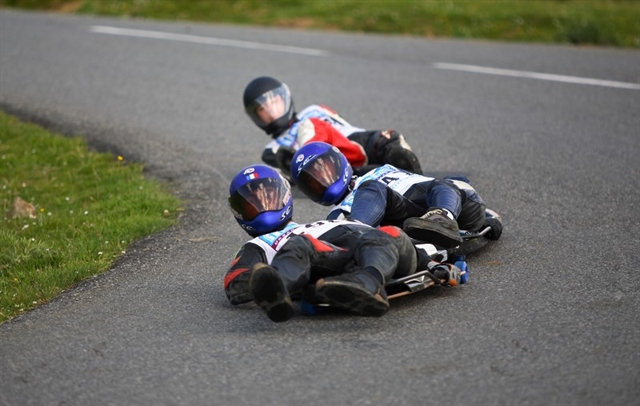
Image taken from: https://www.engineering.com/portals/0/BlogFiles/Street_luge_3.jpg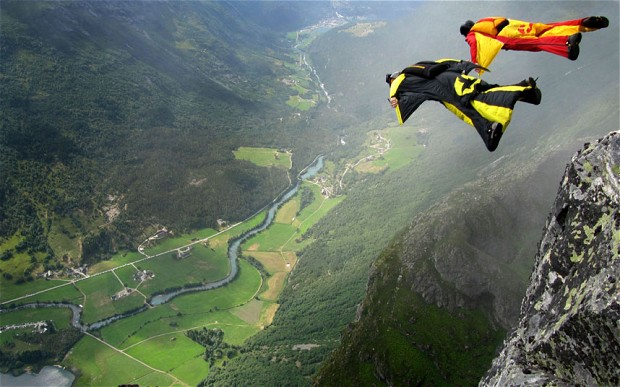
An example of BASE jumping in wingsuit
Image taken from: https://secure.i.telegraph.co.uk/multimedia/archive/02257/potd-base-jump_2257955b.jpg
There are definitely risks involved in all kinds of sports. Here is some information that will provide perspective on the probabilities of losing your life when you participate in certain sports.
Images taken from: https://www.tetongravity.com/story/news/your-chances-of-dying-ranked-by-sport-and-activity
What motivates people to do extreme sports despite the risks involved?
Contrary to popular beliefs, extreme athletes are not irresponsible risk-takers with a death wish. Some people might be yearning for the thrill and adrenaline rush associated with extreme sports but most participants want to enrich their lives. Researchers say extreme-sport participants seek experiences that are life-changing.
Dr Eric Brymer explains that the extreme-sport experience is hard to describe—participants feel intensely alive, hyper-aware, and deeply connected to their environment. Many describe sensations like time slowing down or merging with nature.
Would you consider participating in extreme sports?
Why or why not?
Sources: