The Bystander Effect (Examples + Experiments)
https://www.youtube.com/watch?v=GZgIYGaeWy0 (5.28 mins)
Teachers’ Resource:
Resource Kit for Pick-A-Hero
https://www.srtlearning.com.sg/resources/ck/files/SRT_Pick_A_Hero_LearningPack_19Feb21_FINAL.pdf
Videos of Pick-A-Hero
https://www.srtlearning.com.sg/programme/pick-a-hero
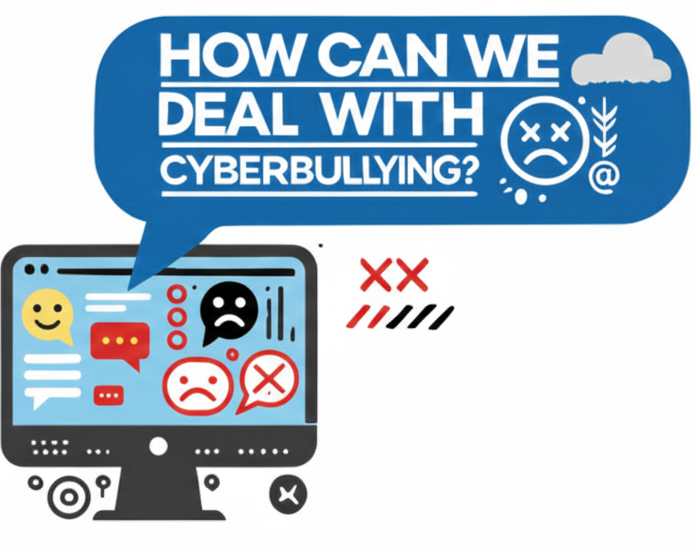
Cyberbullying is defined as the deliberate and repetitive act of aggression, when a perpetrator intends to cause another person distress or harm. It can happen on any digital platforms: social media, gaming, text messages or emails.
As the social life of young people has moved onto the internet, ‘electronic bullying’ becoming a significant new problem in the past decade. Whereas bullying was once largely confined to school, the ubiquity of handheld devices affords bullies constant access to their prey. Cyber harassment can be especially disturbing because it can often be carried out anonymously; victims may have no idea who the perpetrators are.
Common types of bullying behaviours among children include:
- Name calling
- Insults and abuse
- Public and humiliating pranks
- Spreading unpleasant rumours
- Sharing personal photos or information of someone without their consent
- Altering images of people without their permission and sharing them
- Exclusion, which involves intentionally singling out and excluding someone from an online group, and gossiping about them behind their back.
Cyberbullying can cause physical, emotional, and mental health trauma in those who are being bullied. People go through bullying often exhibit symptoms of depression, stress, and anxiety, which can foster feelings (or worsen existing feelings) of worthlessness, isolation, and low self-esteem. Serious or persistent harassment can contribute to depression, self-harm, suicidal thoughts, and for a small minority of victims, even suicide attempts (this is called bullycide or death by bullying).
As victims often do not know who the bully is, cyberbullying is particularly unsettling and extremely difficult to combat. Furthermore, there is no opportunity for bystanders to witness incidents and potentially intervene them. But perhaps most distressing of all is that it can be inescapable and relentless, affording victims no safe haven.
Cyberbullying can happen to anyone, even celebrities. It is a complex phenomenon, and there’s more to it than meets the eye. Children (like adults) can be intentional or accidental cyber-bullies. Therefore, we have to be careful of what we say or do online.
Frequently Asked Questions on Cyberbullying:
Q1. Why do people cyberbully others?
Cyberbullies usually are the ones who have been a victim of bullying themselves and have pent-up anger and frustration.
Bullying also is a way of establishing social dominance, although over time, as children’s behavioral repertoires generally broaden, it becomes an increasingly dysfunctional way. They want to feel powerful and control other people’s lives by dominating them by making mean comments, threatening them, etc. They believe that these actions can make them feel important, strong or powerful.
People may also bully because it can be an effective way of getting what they want, at least in the short term, and because they lack the social skills to do so without harming others.
Q2. Are bullies born or made?
Bullies are made, not born, and it happens at an early age; if the normal aggression of 2-year-olds is not handled with consistency, children fail to acquire internal restraints against such behavior. Bullying remains a very durable behavioral style, largely because bullies get what they want—at least at first.
Q3. What are the psychological features of bullies?
Research finds that bullies have a distinct psychological makeup. They lack prosocial behavior, are untroubled by anxiety, and do not understand others’ feelings. They exhibit a distinctive cognitive feature, a kind of paranoia: They misread the intentions of others, often imputing hostility in neutral situations. Others may not like them, but they typically see themselves quite positively. Those who chronically bully tend to have strained relationships with parents and peers.
Q4. Can girls be bullies, too?
Yes. Girls are just as likely as boys to be bullies, but they are far less likely to engage in overt aggression. Instead, they tend to hurt others by damaging or manipulating their relationships. They may spread false rumors about someone, tell others to stop liking someone in order to get even with him or her, engage in social exclusion, threaten to withdraw friendship to get their way, or give someone the silent treatment.
Q5. How can people manage cyberbullying?
Although cyberbullying is inevitable, even for grown-ups, we have the ability to handle such situations with maturity and tact. Even though we can’t control how others behave online, we can modify our own experiences and choose to ignore the negativity.
- Never reshare/repost/retweet anything that can harm another person’s reputation. Resharing means that you are complicit in the bullying.
- Flag inappropriate comment/content
- Think twice (or even thrice!) before you post anything – not everything is meant to be documented or shared online
- Make sure that your accounts are secure by setting strong passwords and setting up your privacy controls (limit who can see your posts and who can see you online)
- Only add people whom you trust. Beware of ‘catfishes’
- Log out after using public computers
- Track your digital wellness and check-out of social media every once in a while (sometimes it is better to skip the unnecessary drama by not going online)
Q6. Should I seek therapy for cyberbullying?
Cyberbullying can be an extremely difficult thing to face on your own. If you feel overwhelmed and do not know how this will impact your mental health, seeking help from a school counsellor might be a good idea.
Dealing with cyberbullying can be a challenge due to its public and uncontrollable nature. The anonymity of the bullies at times also proves to be a major hindrance. But the most important thing is how you choose to deal with it. You are not powerless.
Here are some reminders if you have experienced or are experiencing cyberbullying:
a) It is not your fault
When we become targets of any form of bullying, we tend to blame ourselves. We are made to feel ashamed and start believing that all of this is our fault. No one deserves to be bullied.
b) You do not have to respond.
No matter how angry, sad, confused or curious you are feeling, please do not reply to any of the hurtful messages or posts written about you. The people who bully may want to provoke you, and by responding (even by asking, “Why are you doing this?”), you are giving them power and a reason to continue their bullying. Replying with a vengeance may make the matter worse, and there would be no end to the chain of cyberbullying.
c) Report
Immediately report the post or messages and block the person responsible for it. By reporting their actions, they will not be able to post further and hurt someone else. If you have witnessed any bullying online, screenshot the bullying incidents as evidence and report to the relevant authorities (teachers/principal/police).
d) Block the person
Cut all forms of communication with the bullies by blocking them on all your social media accounts or on Whatsapp. In this way, they will not be able to bully you and affect you. When we do not have the ability to control their actions, we can control our reactions.
e) Seek support
When faced with bullying, it is very important to have a network of people who you trust and those who can support you by boosting your morale and ensuring that it doesn’t get the better of you. You can talk with your friends, parents, teachers, or even a counsellor to help you deal with this and make you come out of it stronger. They might also be able to help you in finding ways on how to prevent cyberbullying.
Do have a chat with your parents/carers if you are being bullied online or in school. Please do refer them to this link as well so that they can provide you with the necessary support that you need: https://www.betterinternet.sg/-/media/Resources/PDFs/Parents-Guides/Clique-Click.pdf
If you feel troubled and need mental health support, please seek through these organisations: https://stayprepared.sg/mymentalhealth/i-need-support-now/
If you prefer online services, you may visit:
- Fei Yue’s Online Counselling Service: https://www.fycs.org/our-work/youth/ec2/ (Live Chat available)
- Samaritans of Singapore (SOS): https://www.sos.org.sg/ (24-hour hotline & 24-hour CareText & CareMail)
Discussion questions:
- What are your online comments and social media posts usually about? Are they generally encouraging or discouraging?
- What can you do to transform digital spaces positively?
- What do you think you should do when you witness bullying online/offline?
Sources:
- https://incontact.com.sg/cyber-bullying/
- https://www.psychologytoday.com/sg/basics/bullying#cyberbullying
- https://www.srtlearning.com.sg/programme/pick-a-hero
- https://cybercognizanz.com/theres-more-to-cyberbullying-than-meets-the-eye-could-your-child-be-a-victim-or-bully/
- https://www.dqinstitute.org/wp-content/uploads/2020/02/2020COSIReport.pdf