Throughout Singapore’s history of development, we have faced many problems. However, we managed to overcome those problems as a nation over the years. In present time, Singapore is facing a different set of issues as population grows.
What are the environmental problems Singapore is facing now and how can we help Singapore be a sustainable and climate resilient nation?
Problem 1: Nature being destroyed to make way for development.
Singapore is land-scarce and to meet the needs of the nation, Singapore has to be inventive in housing development without encroaching on or destroying nature. We need to find ways to resolve the tension between nature and development. This is a challenge, since the city-state has a high population density consisting of a population of over five million in less than 730 square kilometres.
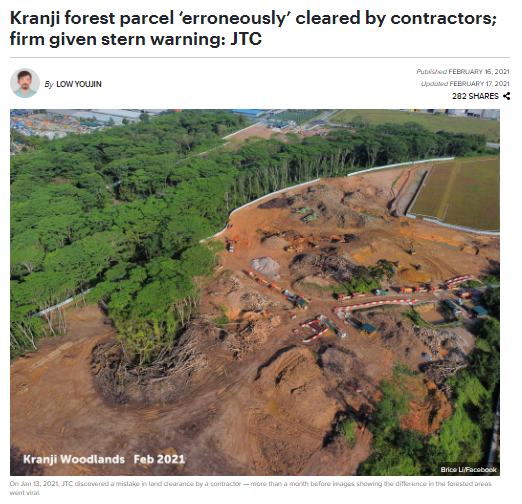
Screenshot from:
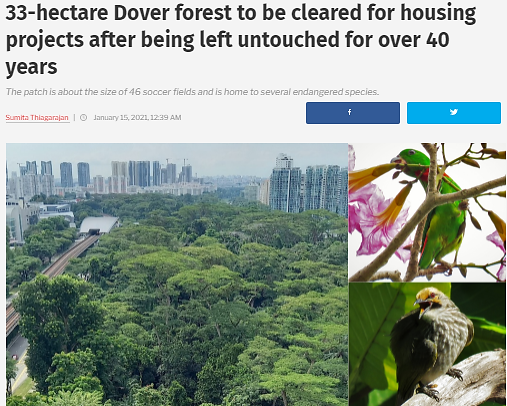
Screenshot from: https://mothership.sg/2021/01/dover-forest-residential-development/
Implemented solution: Instead of seeing nature as a barrier to further development, the solution is to continue creating green spaces by combining architecture and vegetation. This is also known as a biophilic approach to designing. Green building has been mandatory since 2008 in Singapore. It is normal to find plants on the top and the sides of buildings (like cascading gardens) and also inside the buildings. Behind measures such as these, is Cheong Koon Hean, who was the first woman to head Singapore’s urban development agency.
One of the finest examples of the union between architecture and nature on the island is the Jewel Changi airport. The last extension, designed by the architect Moshe Safdie, combines natural light, water and green spaces.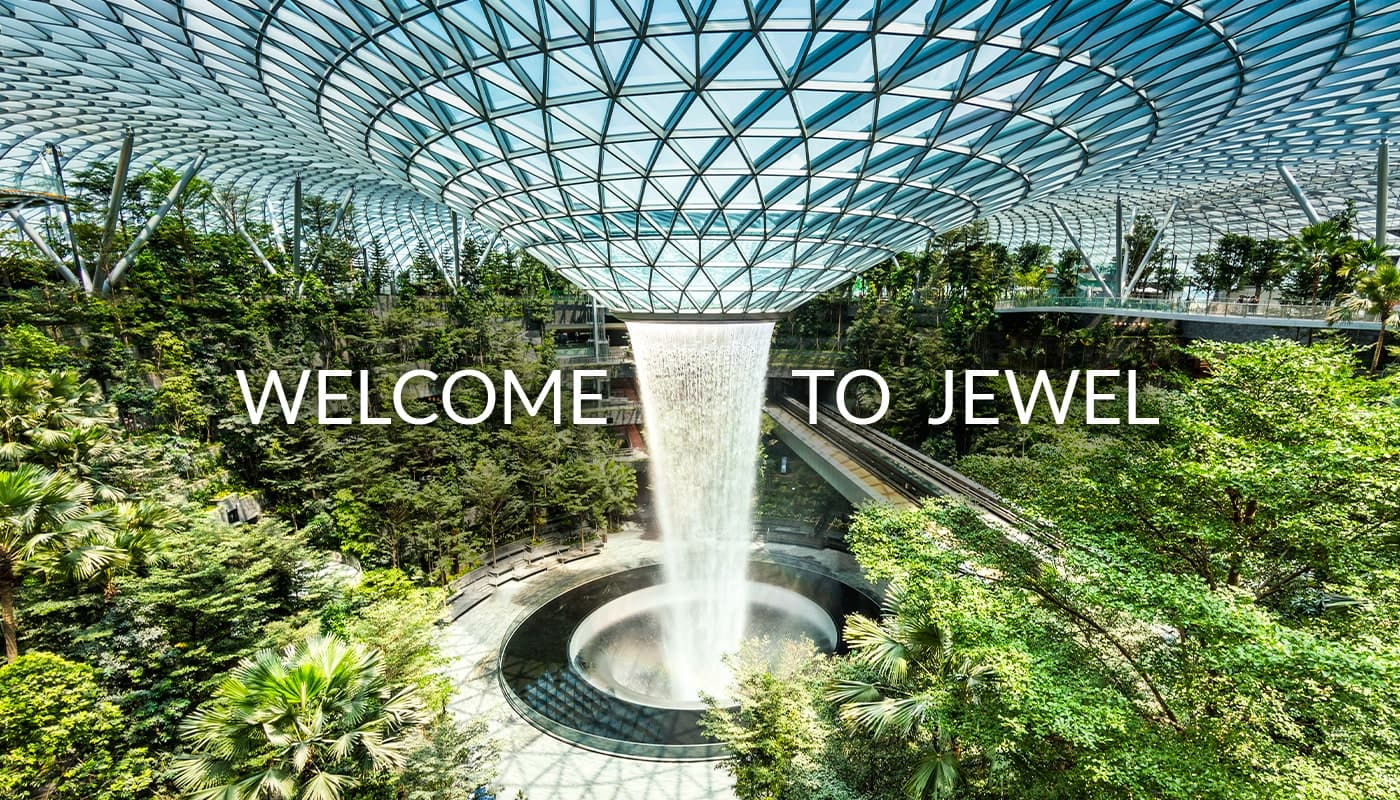
Image credits: https://au.changiairport.com/
Another good example of how nature is included in architectural design are the Supertrees, 50-metre tall artificial trees located in the famous Gardens at the Bay. These structures offer a light show (powered by solar energy) and also have more than 150,000 real plants embedded on its sides.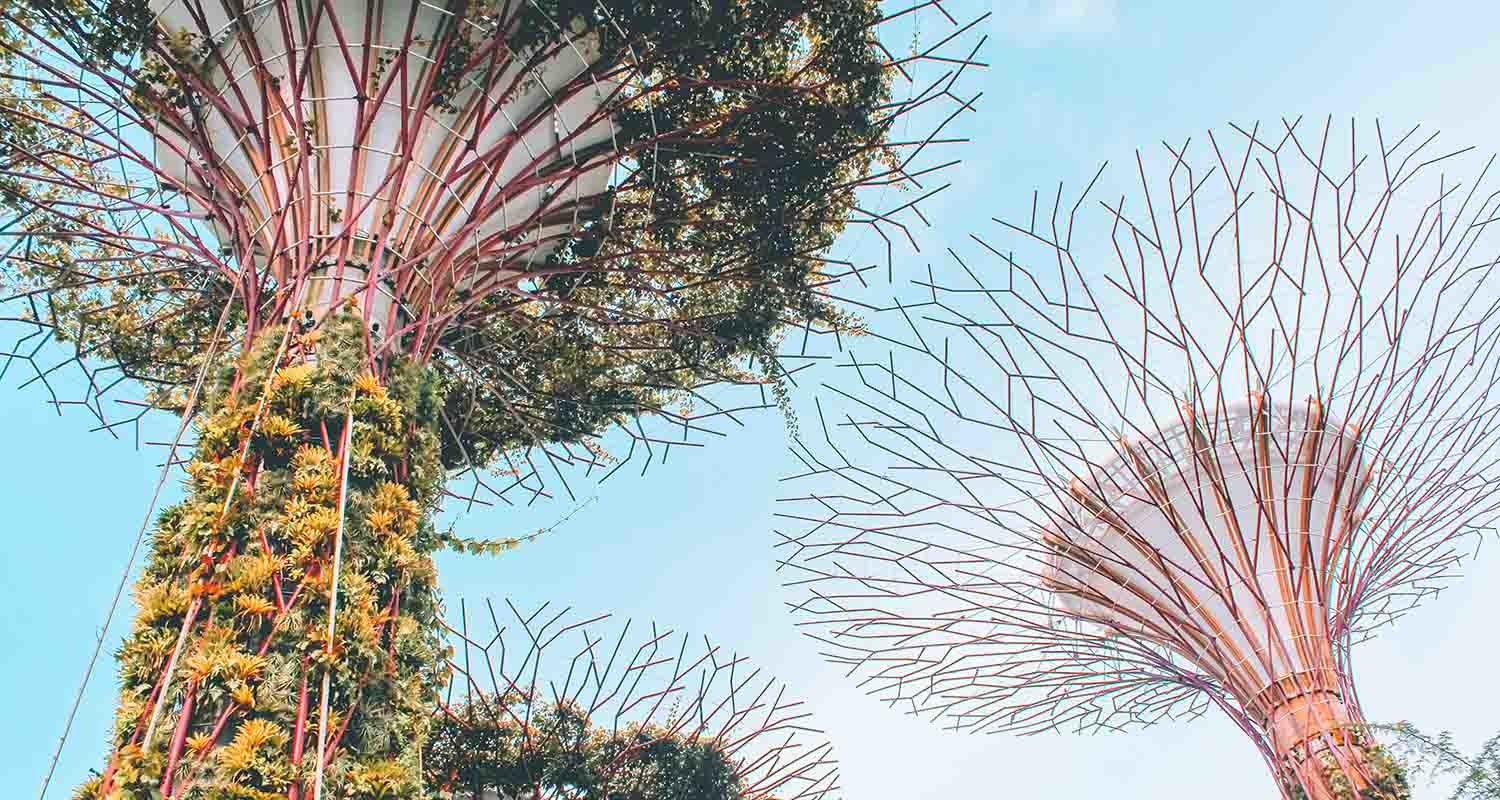
Image credits: https://tomorrow.city/a/singapore-transformation-garden-city
Can you observe any biophilic design in your neighbourhood?
Problem 2: Singapore is facing the ‘urban heat’ effect.
What can Singapore do to mitigate the “urban heat island” effect created by its pavement and skyscrapers, which absorb and radiate solar radiation and increase the temperature of Singapore’s urban core? Researchers have found there can be up to a 7° Celsius (12.6° Fahrenheit) difference in temperature between Singapore’s downtown and its less built-up portions.
Is reducing the air conditioner temperature a sustainable solution, or is that the problem?Watch this video to find out: Why Singapore is heating up 2x faster than the planet
https://www.youtube.com/watch?v=UrQ9zjvmD6k&feature=emb_logo (5.18 mins)
Find out the solutions from these two articles:
- The importance of mangroves, trees and forests https://news.mongabay.com/2020/10/singapore-embarks-on-a-million-tree-planting-spree-to-protect-its-future/
- What is the Singapore Green Plan?
https://www.greenplan.gov.sg/key-focus-areas/vision/
- City in Nature
https://www.nparks.gov.sg/about-us/city-in-nature
Problem 3: Vast amount of waste disposed indiscriminately
Singapore sent almost three million tonnes of waste to its only landfill on Semakau Island. Food waste is created in Singapore every single day from our food cycle – production, distribution, retail to consumption, and the wastage is unfortunately due to several reasons, such as food spoilage due to improper storage or handling, edible food thrown away because it does not look nice or has ‘expired’, food discards or leftovers during cooking and when we can’t finish our food, etc.
Some people might also choose to ‘conveniently’ discard recyclable items due to the lack of proper recycling knowledge or they do not wish to make the effort to sort out the recyclables.
Find out some solutions in the article below:
- Zero Waste Hierarchy
http://www.zerowastesg.com/zero-waste/
- Can we really be ‘plastic-free’ in Singapore?
- Save Food Cut Waste
http://www.savefoodcutwaste.com/
NParks has plans to increase the engagement of communities in shaping and managing the natural landscape through the programmes below:
‘One Million Trees’ movement
NParks will be working with the community to plant a million trees across Singapore over 10 years. The “One Million Trees” movement will take place across Singapore, along our streetscapes, in our gardens, parks and park connectors, nature reserves, and nature parks. Close partnership with the community will be key to the success of this effort.
‘Community in Bloom’ programme
Community gardens provide a platform for people to bond with the wider community while drawing people closer to nature in our cityscape! The aim is also to promote gardening culture and a greater sense of ownership in our environment.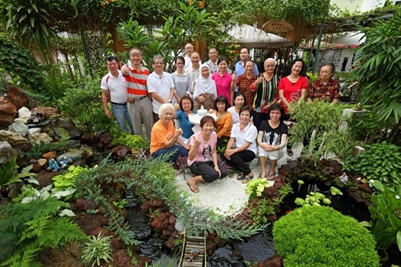
Image credits: https://www.nparks.gov.sg/gardening/community-gardens
The ‘Community in Bloom’ programme will be expanded with more allotment gardens and by encouraging the planting of edibles. In addition to sowing edible crops, community gardens also help to attract wildlife to our urban greenery. Thanks to these pockets of green spaces, charismatic birds and butterflies are increasingly becoming a common sight in our neighbourhoods and communities.
Since the inception of nationwide gardening movement, the number of community gardens has increased significantly. Singapore has over 1,600 community gardens today beautifying and adding vibrancy to the community spaces.
Please do strive to participate in making a positive impact to the environment with your school and CCAs!
As an individual, what lifestyle changes can you make to do your part for the environment?
Get inspired here:
https://www.instagram.com/zerowastesingapore/
https://www.instagram.com/byosingapore/
https://www.greenplan.gov.sg/take-action/what-you-can-do/
Sources:
- https://www.nparks.gov.sg/gardening/community-gardens
- https://www.nparks.gov.sg/about-us/city-in-nature
- https://tomorrow.city/a/singapore-transformation-garden-city
- https://www.towardszerowaste.gov.sg/zero-waste-masterplan/chapter1/case-for-zero-waste
- http://www.savefoodcutwaste.com/food-waste/food-wastage-in-singapore/