Archives For Uncategorized

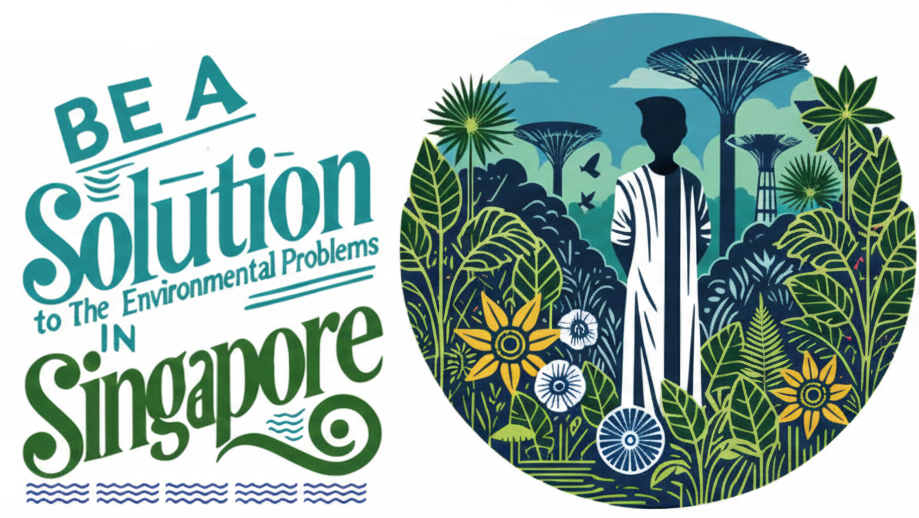
Throughout Singapore’s history of development, we have faced many problems. However, we managed to overcome those problems as a nation over the years. In present time, Singapore is facing a different set of issues as population grows.

What are the environmental problems Singapore is facing now and how can we help Singapore be a sustainable and climate resilient nation?

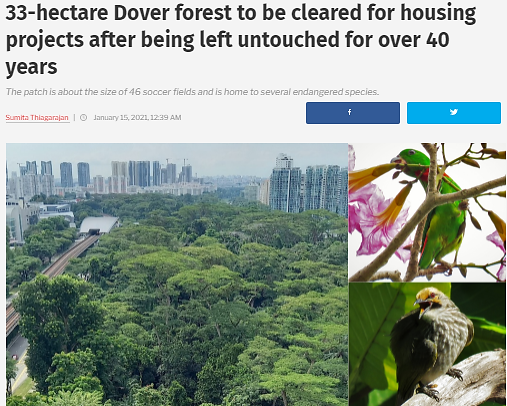
Problem 1: Nature being destroyed to make way for development.

Singapore is land-scarce and to meet the needs of the nation, Singapore has to be inventive in housing development without encroaching on or destroying nature. We need to find ways to resolve the tension between nature and development. This is a challenge, since the city-state has a high population density consisting of a population of over five million in less than 730 square kilometres.
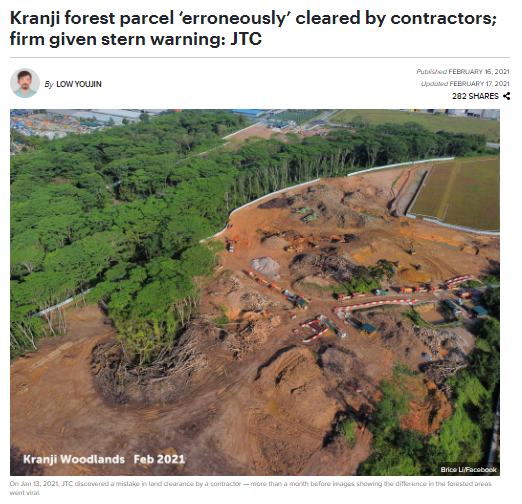
Screenshot from:
https://www.todayonline.com/singapore/kranji-forest-parcel-erroneously-cleared-contractors-firm-given-stern-warning-jtc

Screenshot from: https://mothership.sg/2021/01/dover-forest-residential-development/

Implemented solution: Instead of seeing nature as a barrier to further development, the solution is to continue creating green spaces by combining architecture and vegetation. This is also known as a biophilic approach to designing. Green building has been mandatory since 2008 in Singapore. It is normal to find plants on the top and the sides of buildings (like cascading gardens) and also inside the buildings. Behind measures such as these, is Cheong Koon Hean, who was the first woman to head Singapore’s urban development agency.

One of the finest examples of the union between architecture and nature on the island is the Jewel Changi airport. The last extension, designed by the architect Moshe Safdie, combines natural light, water and green spaces.
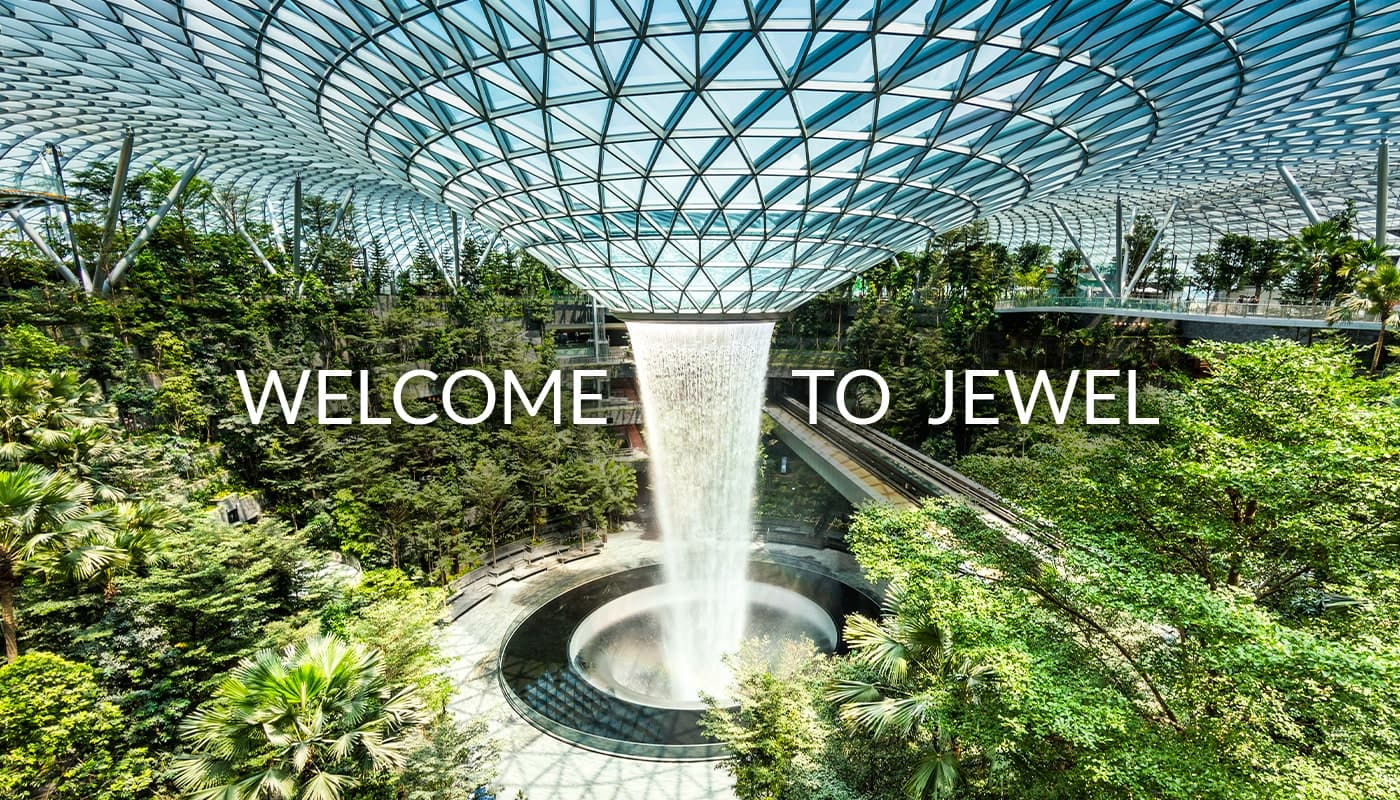
Image credits: https://au.changiairport.com/

Another good example of how nature is included in architectural design are the Supertrees, 50-metre tall artificial trees located in the famous Gardens at the Bay. These structures offer a light show (powered by solar energy) and also have more than 150,000 real plants embedded on its sides.
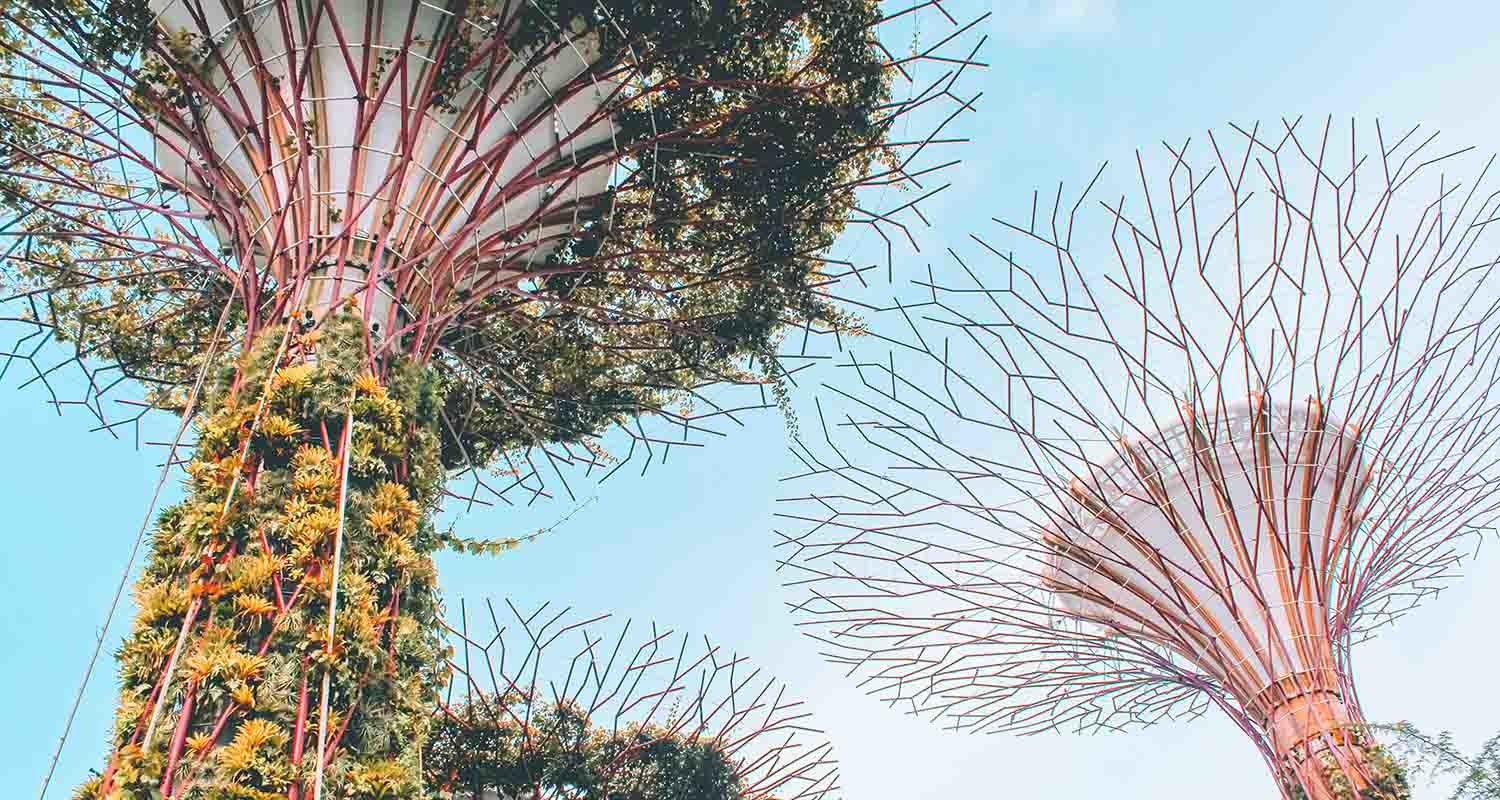
Image credits: https://tomorrow.city/a/singapore-transformation-garden-city

Can you observe any biophilic design in your neighbourhood?

Problem 2: Singapore is facing the ‘urban heat’ effect.

What can Singapore do to mitigate the “urban heat island” effect created by its pavement and skyscrapers, which absorb and radiate solar radiation and increase the temperature of Singapore’s urban core? Researchers have found there can be up to a 7° Celsius (12.6° Fahrenheit) difference in temperature between Singapore’s downtown and its less built-up portions.

Is reducing the air conditioner temperature a sustainable solution, or is that the problem?Watch this video to find out: Why Singapore is heating up 2x faster than the planet

https://www.youtube.com/watch?v=UrQ9zjvmD6k&feature=emb_logo (5.18 mins)  

Find out the solutions from these two articles:

  1. The importance of mangroves, trees and forests https://news.mongabay.com/2020/10/singapore-embarks-on-a-million-tree-planting-spree-to-protect-its-future/
  2. What is the Singapore Green Plan?

 https://www.greenplan.gov.sg/key-focus-areas/vision/

  1. City in Nature

https://www.nparks.gov.sg/about-us/city-in-nature

Problem 3: Vast amount of waste disposed indiscriminately


Singapore sent almost three million tonnes of waste to its only landfill on Semakau Island. Food waste is created in Singapore every single day from our food cycle – production, distribution, retail to consumption, and the wastage is unfortunately due to several reasons, such as food spoilage due to improper storage or handling, edible food thrown away because it does not look nice or has ‘expired’, food discards or leftovers during cooking and when we can’t finish our food, etc.


Some people might also choose to ‘conveniently’ discard recyclable items due to the lack of proper recycling knowledge or they do not wish to make the effort to sort out the recyclables.


Find out some solutions in the article below:


  1. Zero Waste Hierarchy

http://www.zerowastesg.com/zero-waste/

  1. Can we really be ‘plastic-free’ in Singapore?

https://www.channelnewsasia.com/news/singapore/reduce-plastic-packaging-supermarkets-clingwrap-11756670

  1. Save Food Cut Waste

http://www.savefoodcutwaste.com/

NParks has plans to increase the engagement of communities in shaping and managing the natural landscape through the programmes below:

‘One Million Trees’ movement

NParks will be working with the community to plant a million trees across Singapore over 10 years. The “One Million Trees” movement will take place across Singapore, along our streetscapes, in our gardens, parks and park connectors, nature reserves, and nature parks. Close partnership with the community will be key to the success of this effort.

‘Community in Bloom’ programme

Community gardens provide a platform for people to bond with the wider community while drawing people closer to nature in our cityscape! The aim is also to promote gardening culture and a greater sense of ownership in our environment.
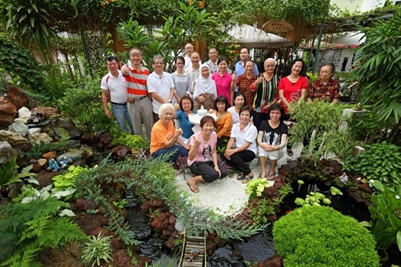
Image credits: https://www.nparks.gov.sg/gardening/community-gardens

The ‘Community in Bloom’ programme will be expanded with more allotment gardens and by encouraging the planting of edibles. In addition to sowing edible crops, community gardens also help to attract wildlife to our urban greenery. Thanks to these pockets of green spaces, charismatic birds and butterflies are increasingly becoming a common sight in our neighbourhoods and communities.

Since the inception of nationwide gardening movement, the number of community gardens has increased significantly. Singapore has over 1,600 community gardens today beautifying and adding vibrancy to the community spaces.

Please do strive to participate in making a positive impact to the environment with your school and CCAs!

As an individual, what lifestyle changes can you make to do your part for the environment?

Get inspired here:

https://www.instagram.com/zerowastesingapore/

https://www.instagram.com/byosingapore/

https://www.greenplan.gov.sg/take-action/what-you-can-do/

Sources:

  1. https://www.nparks.gov.sg/gardening/community-gardens
  2. https://www.nparks.gov.sg/about-us/city-in-nature
  3. https://tomorrow.city/a/singapore-transformation-garden-city
  4. https://www.towardszerowaste.gov.sg/zero-waste-masterplan/chapter1/case-for-zero-waste
  5. http://www.savefoodcutwaste.com/food-waste/food-wastage-in-singapore/


In recent years, the drive to replace humans with machinery is accelerating as companies struggle to avoid workplace infections of COVID-19 and keep operating costs low. “This pandemic has created a very strong incentive to automate the work of human beings,” says Daniel Susskind, a fellow in economics at Balliol College, University of Oxford, and the author of A World Without Work: Technology, Automation and How We Should Respond. “Machines don’t fall ill, they don’t need to isolate to protect peers, they don’t need to take time off work.” In theory, automation and artificial intelligence (AI) should free humans from dangerous or boring tasks so they can take on more intellectually stimulating assignments, making companies more productive and raising worker wages. For cases whereby humans’ lives are at risk, robots should take over, if possible, as preserving human lives takes precedence.

Admittedly, in some industries such as manufacturing, construction, healthcare and in environments which may pose risks to the lives of human, robots can perform the certain tasks more effectively than humans. The deployment of robots as a response to the coronavirus was rapid. Robots could replace as many as 2 million more workers in manufacturing alone by 2025, according to a recent paper by economists at MIT and Boston University. They were suddenly cleaning floors at airports and taking people’s temperatures. Hospitals and universities deployed Sally, a salad-making robot created by tech company Chowbotics, to replace dining-hall employees; malls and stadiums bought Knightscope security-guard robots to patrol empty real estate; companies that manufacture in-demand supplies like hospital beds and cotton swabs turned to industrial robot supplier Yaskawa America to help increase production. All these tasks are performed by robots to prevent human-to-human virus transmission.

However, there are just some jobs that robots cannot replace.

Robots are highly efficient but they do not always necessarily meet the expectations or be able to cater to the needs of humans. Some companies closed call centers employing human customer-service agents and turned to chatbots created by technology company LivePerson or to AI platform Watson Assistant. LivePerson, which designs conversational software, could enable a company to take a 1,000-person call center and run it with 100 people plus chatbots, says CEO Rob LoCascio. A bot can respond to 10,000 queries in an hour, LoCascio says; an efficient call-center rep can answer six. However, as robots are programmed to answer questions based on a pre-programmed set of clues, they are unable to provide genuine emotional understanding and empathy which is what customers need. AI always goes for the most pragmatic solution without any consideration of how that might affect future customer relationships. “Human interaction is irreplaceable when providing superior customer service,” said Jacob Munns, CEO, Boomsourcing. Therefore, replacing humans with chatbots may seem like a good idea from a strictly financial standpoint, but  from a customer satisfaction standpoint, it’s largely unsuccessful and hence it would not be wise to use robots to fully replace humans in the customer service sector if the company wishes to perform well.  


Human creativity, insight and contextual awareness are key to making artificial intelligence work. There’s no arguing that robots are outstanding for taking on dull, repetitive tasks. In fact, they’re probably better than humans for them, since machine-level consistency is usually prized in mass production, plus the fact that robots don’t have feelings and therefore cannot get bored. Creativity, on the other hand, is the gift of humanity, and is not something that can be programmed into logic boards. What’s more, robots’ lack of imaginative capabilities means they’re no good with anything that requires creative thought. Technical executives in the senior management ensure that any autonomous processes are closely monitored and supervised by human employees. AI solutions with hidden internal workings aren’t worth the risk, due to a lack of transparency and explainability, i.e. the ability to describe and interpret the specific processes that is happening in the system.  Like any piece of software, the quality of AI insight depends on the quality of the data you feed into it, and it takes a human to know and judge what is good for it.

In any type of interpersonal communication, understanding cultural norms and slang is paramount to understanding. If you’ve ever had a friend from a country halfway around the world, you already know that some things are lost in translation. People either understand context (because they were raised within it or because they learned it), or they don’t – and robots just don’t. Additionally, because of robots’ inability to consider context, they’re less suited to analysis-type work. As such, humans are the source of innovation and creativity and they have the ability to make necessary changes to the artificial intelligence and technology to cater to the ever-changing needs of the world.

AI is paving the way for new and better roles for humanity. Accurate AI that is capable of taking on time-consuming or difficult tasks ultimately boosts the workforce by increasing the value of interactions that are genuinely human – soft skills which 92 per cent of talent professionals believe matter as much or more than hard skills, according to LinkedIn. These could include fostering relationships with customers who have interacted with intelligent advertising, or ethically reviewing social media posts following AI moderation. For many organisations, it will simply mean having more time to make important decisions, thanks to machine-led insights doing the groundwork.

In conclusion, humans will not be replaced by technology or AI as AI’s abilities will complement us, rather than replicate us. Throughout history, technology has enabled human advancement and created permanent changes to the way we live and work. It has created jobs our grandparents never thought would exist, and will continue to do so throughout the generations.

Why are human interactions so important?

Article adapted from:

  1. https://time.com/5876604/machines-jobs-coronavirus/
  2. https://tech.co/news/robots-replace-humans-work-2017-08
  3. https://eandt.theiet.org/content/articles/2020/08/ai-won-t-replace-humans-just-like-computers-didn-t/
  4. https://tech.co/news/4-industries-poised-benefit-robotics-2016-11

Creative minds turn Covid-19 frustration into innovation
https://www.youtube.com/watch?v=ssilUxyB-WM (2.34 mins)


How covid-19 is boosting innovation | The Economist
https://www.youtube.com/watch?v=zPyOnZpeFnQ&t=925s (19.03 mins)


Singapore adopts a zero-tolerance stance towards drugs abuse because drug addiction destroys individuals, families and communities. Therefore, preventive drug education, tough laws, strict enforcements are implemented to keep Singapore drug-free.

It is important for everyone to have accurate information on drug abuse and its consequences, in order to help people make wiser decisions in life. Let us de-bunk some myths about drugs!

Reality Check #1: There’s no such thing as “soft” drugs.

“What’s the harm in trying ‘Ice’ or cannabis? They’re safe.”

Many young addicts regard “Ice” and cannabis as “lifestyle” drugs that are “less harmful” or addictive than substances like heroin and cocaine. This arises from an erroneous understanding of the nature of drug addiction. 

Researchers, medical professionals and counsellors understand that drug addiction can take over an abuser’s life quickly to a devastating effect. So, the notion that certain drugs are less harmful or addictive is misguided – as many young abusers will attest, “Ice” and cannabis can cause compulsive dependence as well as great physical and psychological harm. 

Reality Check #2: You’re not in control.

“No problem, I can quit any time.”

According to the Central Narcotics Bureau (CNB), many young addicts in Singapore get their first exposure to drugs from their friends. They are curious and foolishly try “Ice” and cannabis because they believe that they can stop taking drugs any time.

But willpower has nothing to do with the reality of addiction. Drug abuse causes changes to the brain and body that, over time, destroy an abuser’s self-control and ability to resist drugs. Impaired judgment and a profound loss of self-control are hallmarks of drug addiction, leading many young abusers on a downward spiral of despair and crime. 

Reality Check #3: Are You Sure the Grass is Greener Over There?

“Singapore is behind the times; look at what people in other countries are doing.”

Singapore’s anti-drug policy encompasses preventive drug education, strong laws and effective enforcement as well as rehabilitation and community reintegration. This multi-pronged approach is unique to our history and societal context, and over five decades, has helped curb drug abuse and crime in Singapore. 

The safety and security that we enjoy today isn’t a given, and veteran CNB officers still recall the difficult enforcement efforts that have been waged against opium, cannabis, heroin and now synthetic drugs such as “Ice”.

Thankfully, for us, drug addiction isn’t the deeply rooted and intractable problem that it is in many other cities and countries. But Singapore isn’t immune to the global drug situation. When it comes to our youth, for example, attitudes towards drugs have changed over the years. A 2015/2016 survey by the National Council Against Drug Abuse found that while most youths supported Singapore’s zero-tolerance approach, many were increasingly permissive when it came to drugs (increasing from 11% in 2013 to 16% in 2016). 

Tellingly, the survey also found that 58% of youths learnt about drug-related content via social media, which tends to normalise drug use rather than allow for a balanced consideration of its risks. When it comes to cannabis, for instance, it’s little remarked upon that there’s inconclusive data on whether it is effective in treating most medical conditions, with any supposed benefits based on anecdotal cases. A study by the US National Institutes of Health also looked at how cannabis affected people’s behaviour and found that, in fact, it substantially raised the risk of opioid abuse

Read other real-life stories of how other ex-drug addicts fell into the deathly trap of drug abuse and how some thankfully managed to overcome their addictions after a long-fought battle: https://www.cnb.gov.sg/educational-resources/for-youths/articles

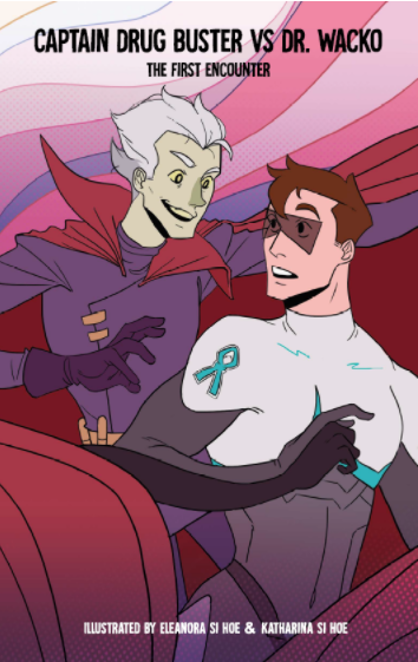
If you love comics, read Captain Drug Buster vs Dr. Wacko: The First Encounter.

Visit here to read it online: https://www.cnb.gov.sg/educational-resources/pde-publications/comic-book

What can you do to avoid being in situations when you may be offered drugs?

Sources:

  1. https://www.cnb.gov.sg/educational-resources/for-youths/articles/article/Index/soft-drugs-there-s-no-such-thing-(article-by-mha-home-team-news)
  2. https://www.mha.gov.sg/docs/default-source/others/mha_drugbooklet.pdf

What exactly is respect? It’s the sense of worth or personal value that you attach to someone. Respect is an overall evaluation you give someone based on many factors – what that person is doing with their life, how they treat you and others, whether they are honest or not and if they seem to consistently do good things, large or small, for other people.

In short, respect is a positive view that you form of how someone is living their life. On the other hand, self-respect is your view of how you’re living your life. Here are some basic principles of respecting anyone regardless of gender, age, religion, socio-economic status and nationalities.

Respect yourself by…

  • Being an honest person

Be genuine and true in your speech and actions. When your actions align with your conscience and moral values, you are being honest to yourself. Also learn to accept responsibility for your own conduct. Apologising when you have done something wrong and striving to make amends  

  • Refusing to give in to negative peer pressure

Learn to discern which of your friends are good influences and which ones are bad influences. When you give in to negative peer pressure, you value other people’s opinions more and hence are not listening to your inner voice.

Respect others by …

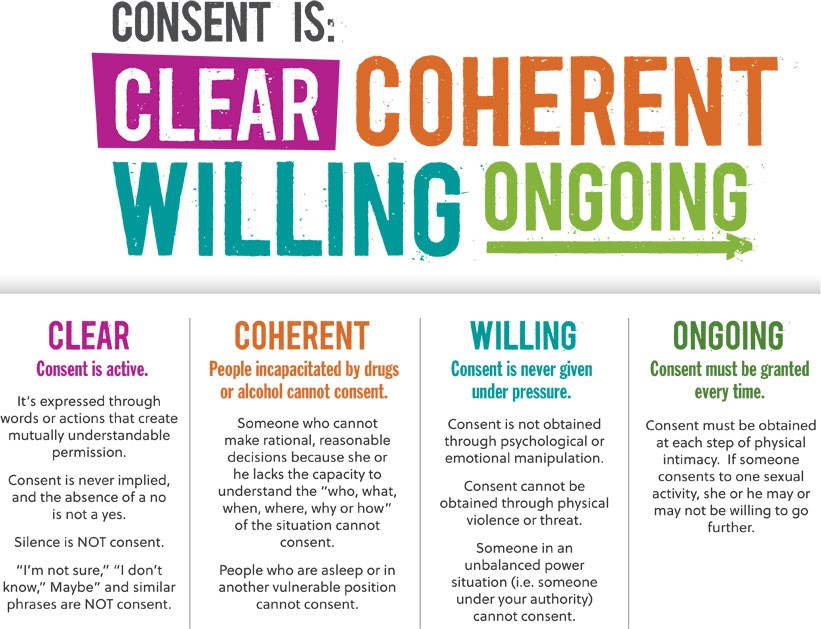
  • Seeking consent

This means asking for permission from a person before you make a decision or proceed with what you have planned.

Image credits: https://mcckc.edu/images/ac/counseling/whatisconsent.jpg

  • Listening to the opinions of others respectfully

One of the best ways to show respect for someone is to truly listen to another’s point of view. Obviously, we’ll not always agree with one another on every topic (and you should never adopt a point of view with which you do not agree), but we should allow each other to have and express our own views – regardless of whether we agree with them or not. 

  • Not bullying others

Engaging in gossips or spreading rumours is also a form of bullying. People are all different and anyone needs to be treated with respect. If you feel that you are a victim of sexual harassment and sexual bullying, report to a teacher. Read more about this topic here: https://m.kidshealth.org/CHOC/en/teens/harassment.html?WT.ac=m-t-ra

  • Exhibiting appropriate behaviour in public settings

Being aware of our actions and the impact they can make on others will help us respect others. Moving to the back of the bus when the bus is getting crowded is a respectful behaviour because you are making space for others to get to school on time. People who engage in anti-social behaviours, for example, smoking in close proximity to others who are non-smokers, engage in excessive drinking, saying foul and lewd language in public, do not show respect to themselves and to the others.

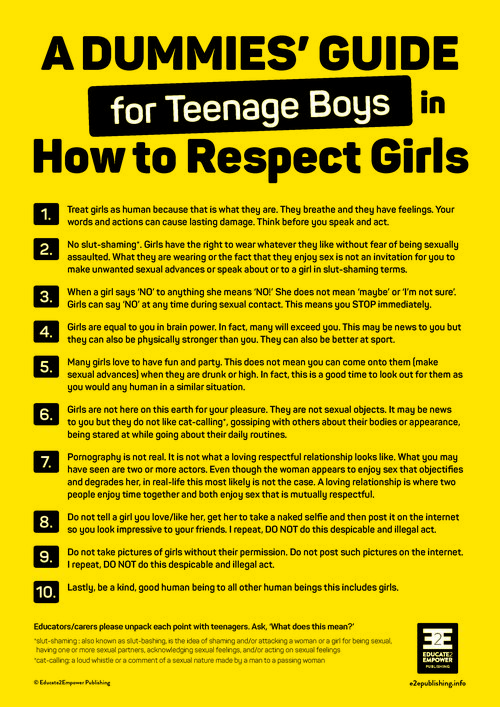
     Here is a guide on how to respect girls:

 Image credits: https://e2epublishing.info/blog/2016/9/8/a-dummies-guide-for-teenage-boys-in- how-to- respect-girls written by Jayneen Sanders from www.e2epublishing.info

Although the infographic is meant to educate teenage boys, remember that we have to show a basic level of respect for being a fellow human being, regardless of gender. You should be kind and polite to everyone – no question about that.

The level of respect for others will vary from person to person and there’s nothing wrong with affording some people greater respect than others. But for obvious reasons, some of us simply deserve more respect than others. For example, I think we would all agree that a consistently honest person deserves more respect than a habitual liar.

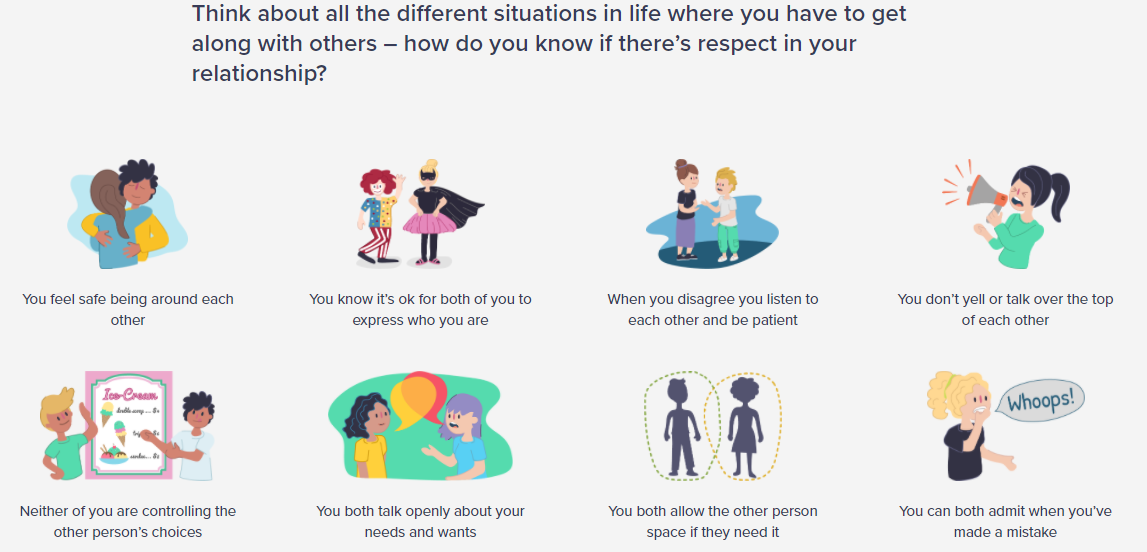
Image credits: https://kidshelpline.com.au/teens/issues/all-about-respect

What can you do to enjoy mutually respectful relationships with others?

Sources:

  1. http://www.goodchoicesgoodlife.org/choices-for-young-people/r-e-s-p-e-c-t/
  2. http://www.goodchoicesgoodlife.org/choices-for-young-people/articles-156441/
  3. https://kidshelpline.com.au/teens/issues/all-about-respect


How can we keep the hawker culture and traditional foods alive in Singapore?

The decline in hawker trade means that traditional foods of different cultures are also not passed from the older generation to the younger generation.  Some of these food are kacang puteh, roti jala, Gao Lak (Roasted Chestnuts), Malt Candy… just to name a few. 

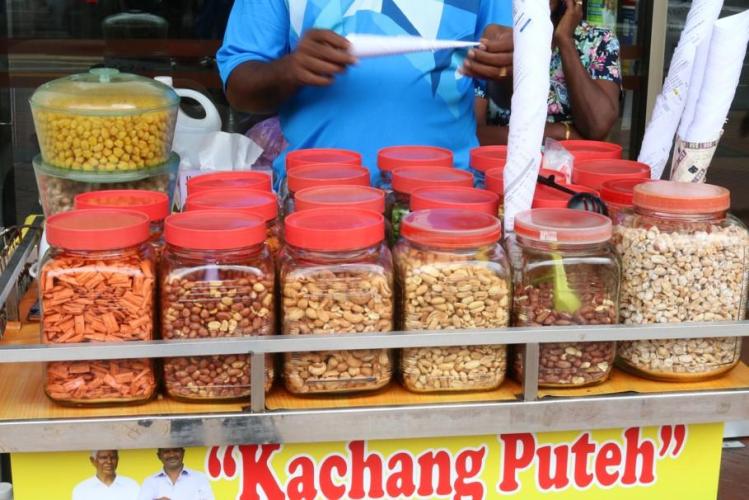
In the past, kacang puteh was the equivalent of popcorn and nachos at the cinemas today.

Image credits: https://www.nhb.gov.sg/brasbasahbugis/stories-of-bbb/-/media/bbb/images/discover/kacang-puteh/picture-6.jpg?la=en&h=500&w=749

46-year-old Mr Moorthy Arumugam may be one of the last kacang puteh men standing in Singapore who traditionally prepares all his ingredients from scratch. He dedicates Sundays in his kitchen to frying, roasting and seasoning the assorted nuts. While Mr Moorthy is happy selling kacang puteh, the future of his business is grey. With his children choosing careers in other fields, his secret family recipe is unlikely to be passed down.

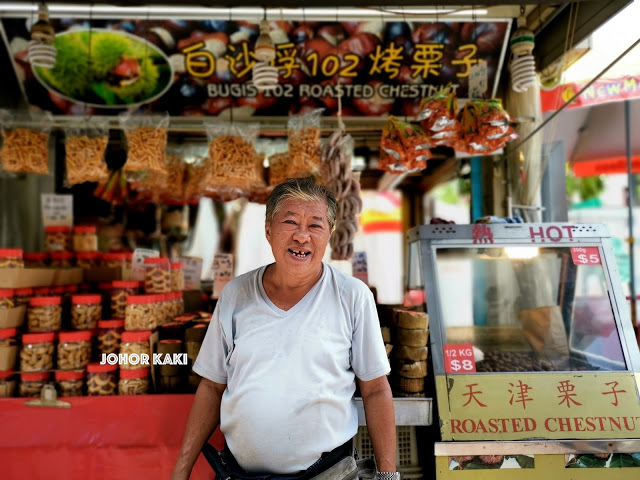
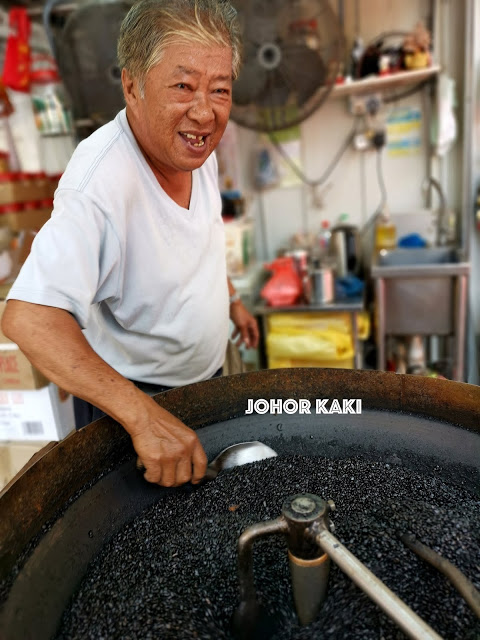
Image credit: https://johorkaki.blogspot.com/2019/03/gao-lak-roasted-chestnuts-in-singapore.html

Uncle Ah Orh has been selling roasted chestnuts since the 1970s. He said that selling roasted chestnut is a dying trade as the hard work is not very lucrative. Ah Orh used to turn the chestnuts in the hot sand at 100 turns a minute. Now that he is older, the motorised stirrer does most of the elbow work. Ah Orh said the motor stirrer is a godsend as it never tires, so it is more consistent and reduces burnt or bursted chestnuts (which would mean losses to him). Not to mention, it allows aging Ah Orh to carry on his trade for a few more years.

Mr Moorthy and Uncle Ah Orh’s stories reveal to us that being a haw


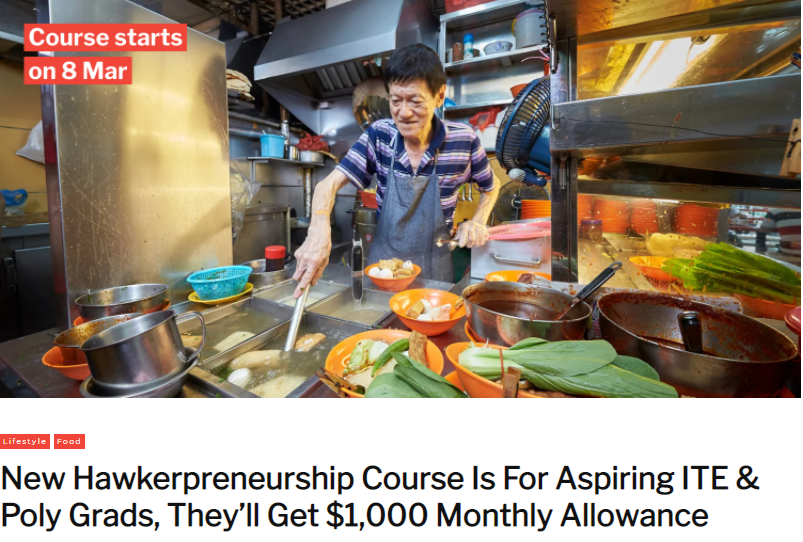
ker in Singapore has its challenges. Thankfully, with the inscription by the UNESCO, more efforts are taken to preserve the hawker trade. The National Environmental Agency (NEA) and SkillsFuture Singapore (SSG) have jointly developed the Hawkers’ Development Programme, in close consultation with hawkers and relevant industry stakeholders, to equip existing and aspiring hawkers with the relevant skills and competencies to run their hawker businesses. It also encourages them to take advantage of social media platforms to market their business.

Image credits: https://mustsharenews.com/hawkers-training-course/

Temasek Polytechnic is also offering a Work-Study Post-Diploma (Certificate) in Hawkerprenuership.The 12-month course aims to provide recent graduates from polytechnics and Institute of Technical Education (ITE) a head-start in the hawker profession through classroom and on-the-job training which will prepare them for a career as a hawkerpreneur and also in the larger food and beverage industry. Trainees will undergo an in-depth training to enhance business management skillsets and culinary skills needed to operate on a commercial scale. Trainees are provided with S$1,000 training allowance per month during the course. Click here to find out more about the certificate: https://www.tp.edu.sg/wsphawkerpreneurship


Hopefully with changes in policies and improved benefits and welfare for the hawkers, people will experience a mindset shift about being hawkers. Their role is crucial in be sustaining the food culture in Singapore and helping our country’s gastronomical experience deepen in tradition and culture and grow phenomenally all over the world.

Read Ms Elayne Ang’s story to find out why she made a drastic career switch from being a banker for 15 years to becoming a hawker.  Find out the reasons here: https://www.straitstimes.com/singapore/environment/she-takes-the-leap-from-working-in-banking-industry-to-be-a-hawker

Would you consider to be a hawker? Why or why not?

Sources:

  1. https://www.tp.edu.sg/wsphawkerpreneurship#course-overview
  2. https://www.straitstimes.com/singapore/environment/she-takes-the-leap-from-working-in-banking-industry-to-be-a-hawker
  3. https://www.nea.gov.sg/media/news/news/index/new-programme-targets-to-train-100-aspiring-hawkers-over-the-next-three-year
  4. https://www.nhb.gov.sg/brasbasahbugis/stories-of-bbb/kacang-puteh-man#:~:text=Kacang%20puteh%2C%20which%20means%20white,goers%20back%20in%20the%20day.&text=These%20customers%20tend%20to%20be,in%20their%20growing%20up%20years
  5. https://sethlui.com/disappearing-nostalgic-foods-singapore/
  6. https://johorkaki.blogspot.com/2019/03/gao-lak-roasted-chestnuts-in-singapore.html