Ah Lian VLOG #19: Premium Lian Meets Minister K Shanmugam
Anti-Fake News Law: What is Falsehood?
Can you spot fake news when you see one?
Fake news is often difficult to spot. They are often made to look like legitimate news sites, and they often include real news elements. Fake news can cause public health scares, sow discord within various groups in society, and cause time and resources to be wasted. Below are some of the fake news that were published in Singapore.
Image taken from: https://www.gov.sg/news/content/singapore-fight-against-fake-news
Image taken from: https://www.ifla.org/publications/node/11174
Before you share a piece of news, think about whether what you’re sharing is credible by using the S.U.R.E framework. Just be S.U.R.E
SOURCE
Where did the content originate from? How credible is the publisher?
UNDERSTAND
Search for clarity in what you’re reading. Does the article make sense? Does it trigger strong emotions? Do offers sound too good to be true?
RESEARCH
Go beyond the initial source. Has it been published elsewhere before? Check the publish date. When was the photo taken? Real information can often be taken out of context.
EVALUATE
Look at the story from various angles. Was it meant to be a joke? Check your own biases and emotions. Are they affecting your judgement? Think before you share!
How can you apply the critical thinking skills that you are learning in school (i.e. Social Studies or History lessons) to help you to evaluate the credibility of a source?
How one teenager is making millions by hacking legally
https://www.bbc.com/news/av/technology-47407609/how-one-teenager-is-making-millions-by-hacking-legally (2.59mins)
Meet HackerOne: The new way of doing security
https://www.hackerone.com/resources/meet-hackerone-new-way-doing-security (3.14mins)
Everyone has something of value to a cyber criminal
https://www.youtube.com/watch?v=FAOjaxdMaNQ (1.15mins)
Suggested Reading:
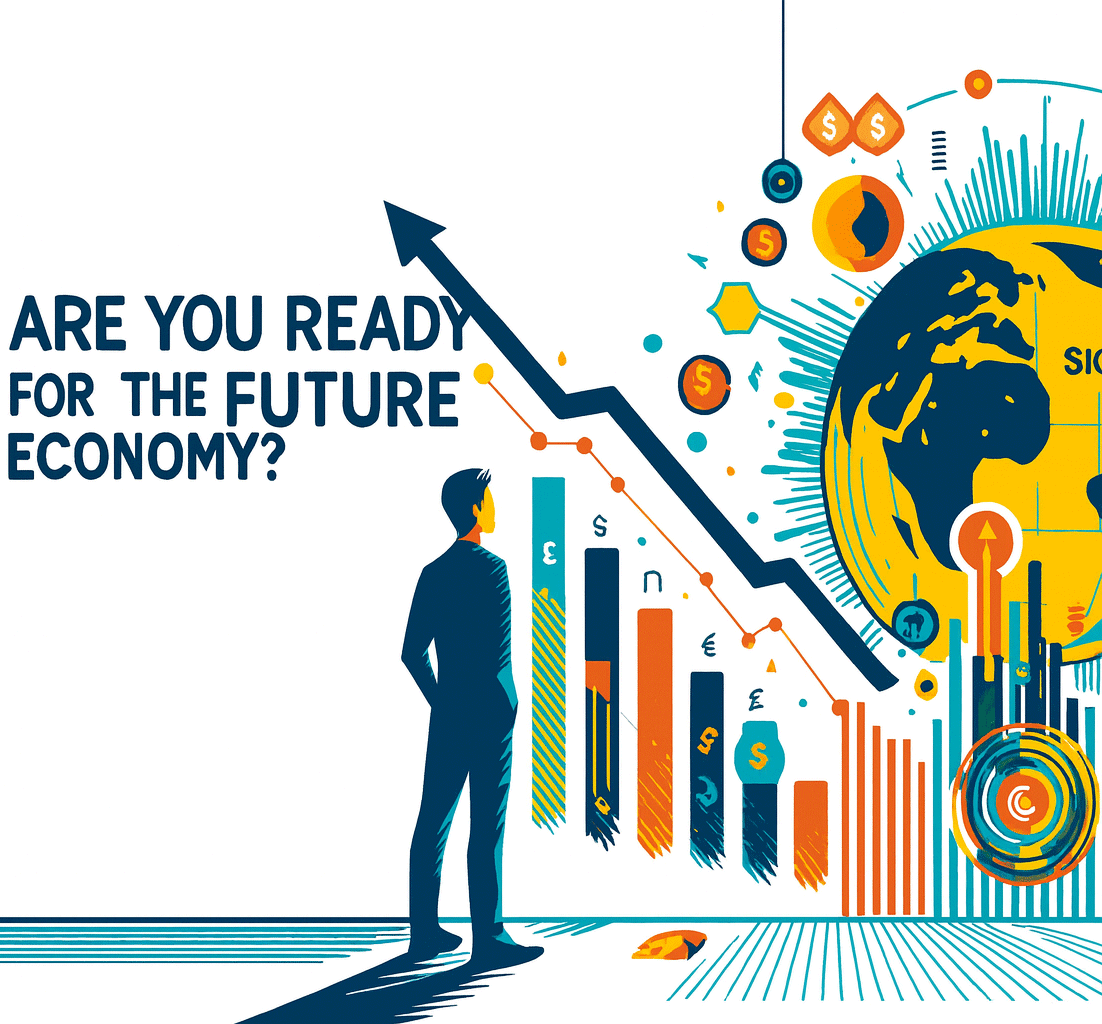
Are you ready for the Future Economy?
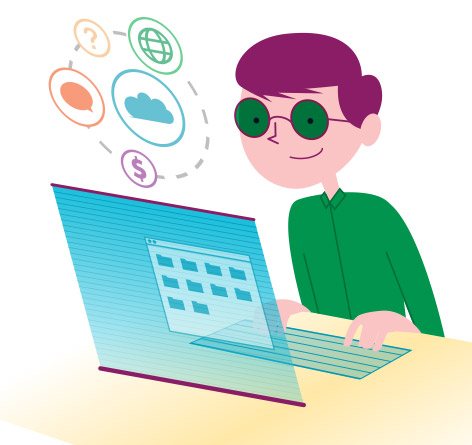
The new digital economy means that there are more types of employment which warrant specific skill-sets. Find out how you can arm yourselves for your future careers (and jobs that have yet to exist!) Read on to find out more!
Can you imagine a time without your Apple or Android smartphone? These days, more people are accessing the Internet on their smartphones than on their personal computers, and using their phones to work rather than to make calls. In an increasingly volatile and machine-operated world shaped by artificial intelligence, or AI, where will humans fit in and how can you future-proof yourselves?
How can you be ready for IoT (Internet of Things)?
The arrival of 5G services will fire up the full potential of the Internet of Things (IoT), where devices will work together to make your life easier. Imagine a future where your car “reads” your calendar and works out the best route to take so you will never miss an important appointment.
Build your digital toolkit
With faster and more reliable connectivity, there will be a need for technology makers who can build networked devices that simplify everyday life. “For example, a highly accurate wearable device can monitor a homebound patient’s vitals with data sent intermittently to a hospital or clinic. Paramedics get immediate notice of an emergency, and medical staff are prepped with the patient’s medical history. This technology will help doctors and on-the-ground caregivers make the best-informed decisions for patients.
Computing skills will be more sought after than ever in this age. “The essential toolkit for all students includes basic statistics, data analysis, cloud computing, data mining and statistical and security analysis skills,” says policy expert Asst Prof Sabrina Luk.
“Students also need soft skills like problem-solving and communication expertise to make sense of all the information from digital tools and turn them into something useful, like a product or service.”
Be curious and creative
As AI takes over more of our everyday tasks, people may find more time for leisure and non-wage-related activities such as volunteering. Also, new unexpected jobs will emerge, says Prof Vanessa Evers from the University of Twente, who spoke recently at NTU. Think professions like outer space tour guide, e-sports referee or even humanoid yoga programmer.
The future workforce will need to anticipate and be able to manage frequent interaction between humans and machines. Assoc Prof Tan Joo Seng, who studies leadership in the era of Industry 4.0, adds that they will need the 3Cs – curiosity, critical thinking and creativity – to engage in “relentless reimagining”.
“No one really knows how the future will be when we talk about the future of work,” he says. “What we do know is that it will be quite different from today. Some jobs will be displaced by automation and digitisation, some will be redesigned to require greater interface between humans, machines and algorithms, and some new jobs will be created.”
Here are some of jobs of the future:
Cyber security
In the future, computers will move from processing binary data to quantum bits. This will allow computers to move at blazing speeds and enhance their capabilities. The flip side is that cyber criminals may attack companies and individuals from every access point at high speeds, warns Assoc Prof Zhang Baile, whose work on an invisibility cloak was voted one of the top 10 breakthroughs by Physics World. To be an effective cyber security operative, you’ll need an intimate knowledge of quantum mechanics on top of computing skills.
Blockchain design
As a distributed ledger, blockchain offers possibilities even in non-finance industries, says NTU’s expert on blockchain and fintech Dr Li Yan. Blockchain technology will be widely used in global trade because it addresses trust issues, which means businesses do not need a third party, like a bank, to guarantee a transaction. It is also used as a failsafe identifier. For example, the United Nations is using blockchain to create unique identities for refugees that cannot be altered, and the luxury goods industry is using the tech to verify and tag haute couture bags and luxury watches. It can even be used in the art trade in copyright and IP protection. Blockchain programmers and designers are high in demand. Developers of blockchain need to have programming skills, business acumen and knowledge of smart contract coding.
Data recycling
By 2020, each person on earth will generate 1.7MB of data every second, according to cloud-based mobile operating software provider Domo. It will be the job of data recycling architects to make sense of unused data and turn them into insightful gems. For this role, you’ll need strong technical skills in statistics, machine learning and computer science, says mathematician Prof Nicolas Privault. Management and marketing skills would be an added advantage. A good data science degree offers the right foundation for this career path.
Personal drone transport
Flying cars in science fiction movies like Blade Runner 2049 are already on the horizon. Technology for the flying vehicle may be here but issues of safety and insurance must first be resolved, says NTU’s drone expert, Prof Low Kin Huat. For it to be accepted, insurers must want to cover the risk of transport and riders must feel it is safe. Personal drone transport designers and manufacturers will need an engineering background and knowledge of unmanned systems such as sense avoidance and risk management.
Satellite operations
CubeSats, or miniature satellites, have led a revolution in the satellite industry, says Asst Prof Amal Chandran, a rocket scientist at NTU. A fleet manager of such satellite constellations, big and small, will control and coordinate mission operations and ensure the satellites don’t collide. For example, it has been reported that Elon Musk’s SpaceX plans to develop more than 4,000 satellites to provide high-speed internet connection to all corners of the globe. Bring on your knowledge of engineering and flight operations for this one.
Man and machine systems
Big retailers like Taobao today are already employing AI in the warehouse to fulfil online orders automatically. As technology advances, there will be a clear demand for a bridge between man and machines, says Assoc Prof Bo An. Apart from computer science and engineering knowhow, skills that stand you in good stead for this job include people skills such as human psychology, neuroscience and possibly human resources.
Coastal city defence
Global warming is real. Sea levels continue to rise and, by 2025, more than four billion people who live within 100km of the coastline will be at risk from storm surges and coastal flooding, says Asian School of the Environment’s Dr Natasha Bhatia, a marine ecologist and architect for coastal defence strategies. Businesses stand to lose billions in damages. On top of mitigating threats, coastal defenders need to have risk management and urban planning backgrounds and the communication skills to explain what all this means to the layman.
3D-printed tissue engineering
A tissue engineer, with degrees in either chemistry, biology, materials science and engineering, biomedical engineering, or other relevant engineering disciplines, typically constructs human tissues and organs with synthetic and biological matter, says Assoc Prof Leong Kah Fai, who develops 3D-printed medical “bone” implants. The 3D-printed tissue engineer, in addition, needs further training in 3D printing with mechanical or manufacturing engineering to generate these artificial substitutes.
Genomics and genetics
Doctors will still be doctors, says Assoc Prof Wong Teck Yee from the Lee Kong Chian School of Medicine. But they have to be fluent in genomics, algorithms and be able to make sense of big data. Doctors will need to interpret patient-generated data from wearables together with traditional health data from blood tests and radiology reports. They must also be expert communicators as they deliver treatment options to patients who are better informed about their genetic profiles.
Data brand storytelling
As a brand custodian, you get to decide how big data translates into marketing needs. Turn collected data into compelling storytelling for your company’s branding. A data brand storyteller is both a brand manager and a data-driven specialist, says marketing expert Assoc Prof Sharon Ng. A person who can do this will be very valuable. Besides data analytics skills, you’ll need to understand consumer psychology and be a creative storyteller to shine in this role.
Workforce intelligence
The technology and resources for this line of work already exist, reveals Assoc Prof Trevor Yu, once voted among Singapore’s 12 most influential business professors under 40. But most organisations are ill-equipped to use new technology, data analytics and psychological tools in human resources to create a motivated and productive workforce. That could change in the next five to 10 years if sensors and biometric technology are adopted in the workplace. Arm yourself for this role by learning research design and data collection, data analytics, and psychological, organisational behaviour and management principles.
Environmental and natural resources protection
Growing global population and rising incomes have put the world’s environmental and natural resources under significant pressure. A protector of environmental assets would need scientific, political and economic knowledge and, perhaps, the ability to communicate complex issues to wider audiences, to raise awareness on the use and wastage of natural resources and conservation of the environment, says Dr Bhatia.
Skyscraper agriculture
Farming will be going up in sustainable ways. To save precious land space, aeroponics and hydroponics offer sustainable, space-saving ways to grow food, says Prof William Chen, who recently turned discarded durian seeds into food stabilisers. New-age agriculturists would need horticulture skills, especially in soil-less techniques, and a good understanding of mechanical engineering for robotic-driven harvesting. In the future, they could outfit skyscraper agricultural farms with transparent perovskite solar panels to power lamps for artificial light.
Online identity auditing
Identity fraud is big business. As people put more of themselves online, they become more vulnerable to theft and fraud, cautions IT expert Assoc Prof Damien Joseph. Organisations may lose billions to scammers. To protect both customers and businesses, the online identity auditor monitors and notifies all parties if there is a change in buying habits. Beyond deep network monitoring and investigative skills, the incumbent would also need to be vigilant and meticulous.
Gig economy and micro entrepreneurialism
In the gig economy, there’s a need for microentrepreneurs to build gig portfolios that will showcase the utility and versatility of their skill sets and experiences, says Assoc Prof Tan Joo Seng. Soft skills such as problem-solving, critical thinking, collaboration, networking and personal branding would be as critical as hard skills in emerging technologies such as data analytics, machine learning or robotics. With traditional boundaries blurring across industries, microentrepreneurs will find diverse opportunities.
Are you living an Insta Lie? Social Media vs Reality
Suggested Reading:
Do you feel that you get easily affected by social media? Are you spending too much time on social media? If you answer ‘Yes’, maybe it’s time to go through a social media detox! Ready to take the plunge and unplug?
Here are some social media detox tips!
Social media detox doesn’t necessarily mean you need to go cold turkey. Sometimes, smart management and self-discipline can help you manage your usage on social media. Whatever your strategy is, get support from family and peers so that you can achieve your goals and lead a healthier life.
Tip 1: Pick Your Social Media
Social media as a tool is not inherently bad — it depends on how you use and consume it. Certain platforms can greatly enhance your wellbeing by providing instant connectivity to a likeminded community. You can also get great ideas from interacting with others. Choose platforms that allow you to more selectively curate your feed.
Tip 2: Set Time Limits
Pick a reasonable time limit for you to spend on social media. Did you know you can set a time reminder on Instagram or Youtube to remind yourself of the time you have spent online? It could be 15 minutes a day, twice a day or strictly on the weekends. Set an alarm clock to keep you on schedule.
Tip 3: Turn off your phone to Reconnect
Switch off completely when you are having meals with friends, taking a walk in the park with your friends or having a family gathering. It is important to give these activities your full attention without distraction. Building strong relationships and genuine friendships requires time and effort. These opportunities can help develop your listening and interaction skills as well! A healthy social life is built upon making real connections with people.
Tip 4: Delete Apps from your Smartphone if Necessary
The ride to school or work may be long, but you can always listen to music, podcasts or read a book. Deleting social media apps from your smartphone will help you manage compulsive checking and limit your social networking to when you’re in front of a computer. Apps such as OutPack helps limit your social media usage easily and automatically.
Tip 5: Take Up Other Hobbies
Replace social media use with other healthier social activities offline such as games or sports, or try learning a new skill or language. Organise an outdoor picnic or a trek to the nature reserves with your friends! Fill your schedule with more meaningful and enriching activities, benefitting the mind, body and soul. Even indulging in a spot of day dreaming can keep away boredom. Create a regular routine that limits your social media use, particularly in the morning and before bedtime.
Image taken from: https://cdn.citynomads.com/wp-content/uploads/2017/11/14134928/hiking-singapore-cover.png
Try a few of the suggested tips and take note of how managing your time on social media can help improve your mental health, social life, and productivity!
“The principle goal of education is to create men who are capable of doing new things, not simply of repeating what other generations have done – men who are creative, inventive and discoverers.” — Jean Piaget
Education Minister (Schools) Mr Ng Chee Meng stated in a speech that innovation is a “critical pivot” to a better future. In the workforce, many employers will also be looking for innovative employees who could value-add to the company.
What is Innovation?
According to him, innovation is “an ongoing process of intentional exploration” that requires one to take some risks in order to achieve a larger purpose. It is “not a single eureka moment”. Innovation requires hard work, persistence and perseverance. Students need to be prepared to be courageous in venturing out and overcome setbacks and even failures along the way, because “innovation can be messy”.
How can you develop your ‘Innovation Quotient’?
Foster Imagination
Spend time in nature.
Dedicate time for free-play and day-dreaming (just try to avoid doing this during lessons!)
Carry out tasks that you find meaningful and interesting.
These tasks should generate your interest and develop your competence and skills.
Be Inquisitiveness
Be observant about the world
Ask ‘Why’ and ‘Why not?’
Identify problems that are important and worth-solving
Find new solutions and answers to the questions/problem
Make Interconnections
Appreciate each subject that you are learning in school
“Join the dots” and make rich, deep, and unexpected interconnections.
Much innovation happens at the borders of established fields and knowledge, when unexpected skills collide, and new ways of thinking cross-fertilise
You CAN be innovative!
Check out what some teenagers have invented to make the world a better place.
Read more about inventions by teenagers:
Many of the inventions were developed because of the teenagers’ determination to solve problems that they or their loved ones have observed or encountered. Their innovations serve to make a positive impact by changing and improving people’s lives.
What problems have you encountered in your school or community? How could you resolve these problems innovatively?
Don’t know where to begin? Try out the Design Thinking Process and give a go at solving some real-life problems! Remember, there can be few hits, and many misses! But persevere!
Still clueless of what to do? Let’s get your brain ready to unlock some creative juices. Look at the infographic to get some ideas! Don’t underestimate what your brain can do!
By understanding what our human rights are, we are in better position be the mouthpiece for someone who might be weak and vulnerable.
Look at the poster which depicts The Universal Declaration of Human Rights. Which points do you feel most strongly about? Pick a few points and discuss why it is important to protect these rights.
The Universal Declaration of Human Rights (UDHR) is a milestone document in the history of human rights. Drafted by representatives with different legal and cultural backgrounds from all regions of the world, the Declaration was proclaimed by the United Nations General Assembly in Paris on 10 December 1948 (General Assembly resolution 217 A) as a common standard of achievements for all peoples and all nations. It sets out, for the first time, fundamental human rights to be universally protected and it has been translated into over 500 languages.
How is life really like for refugees?
Imagine you were denied an identity and a place to call home. Your rights to study, work, travel, marry and practice your religion didn’t exist – because you belong nowhere.
You’re not given any way to prove who you are or where you’re from, so gaining citizenship status anywhere is almost impossible. Wherever you go, you’re locked in detention – simply because of who you are.
This is the life of a refugee who is stateless and belongs nowhere.
Although the Universal Declaration of Human Rights (UDHR) is an official document, said to be a “common standard of achievements for all peoples and all nations”, not all countries and governments subscribe or adhere to all the Articles stated in the documents.
World Refugee Day is on the 20th June every year. On this day, we commemorate the strength, courage and perseverance of millions of refugees who were forced to flee.
Alia fled her home in Aleppo, Syria and is currently living in Damour, Lebanon. She shared her story through Gruppo Aleimar, an Italian NGO which provides free, nutritious meals to refugees in the Damour area. Alia is 7 years old.
“The last thing I remember of Syria, before we left, was when my mother was taking me from our place to our grandparents. The roads were full of dead corpses. I saw dead people with no heads or no hands or legs. I was so shocked I couldn’t stop crying. To calm me down, my grandfather told me they were mean people, but I still prayed for them, because even if some considered them mean, they were still dead human beings. Back at home, I left a friend in Syria, her name was Rou’a. I miss her a lot and I miss going to school with her. I used to play with her with my Atari, but I couldn’t bring it with me. I also used to have pigeons, one of them had eggs, I would feed them and care for them. I’m worried about them, I really pray someone is still caring for them. But here I have a small kitten that I really love! I miss my home a lot. I hope one day we’ll be back and things will be just like before.”
Through their stories, we learn about how harsh reality can be for refugees. But we learn that no matter how hopeless their circumstances are, they never give up and constantly hope for a better future.
What can we do in Singapore to help those are in need?
Visit some of these links below to find out what some organisations are doing and how you can contribute:
Relief Singapore (RSG) is a social enterprise and Non-Profit Organisation (NGO) based in Singapore. It exists to rally and inspire people living and working in Singapore to provide humanitarian assistance and disaster relief for those prone to and affected by conflicts, calamities, and climate change.
AFR-SG is a ground-up movement based in Singapore, focused on bringing about greater awareness on the issues of refugees and forced migration in the region and beyond. They feel strongly that Singapore – like many other countries – has a crucial role to play as part of the international community in responsibility-sharing when responding to the effects and consequences of global displacement.
Other than governments and the respective authorities, every pillar of society should protect the rights of each individual as we are all part of the human race.
How can we raise awareness of the plight of refugees?
Do you have any ideas how you can do your part to help those who are underprivileged?

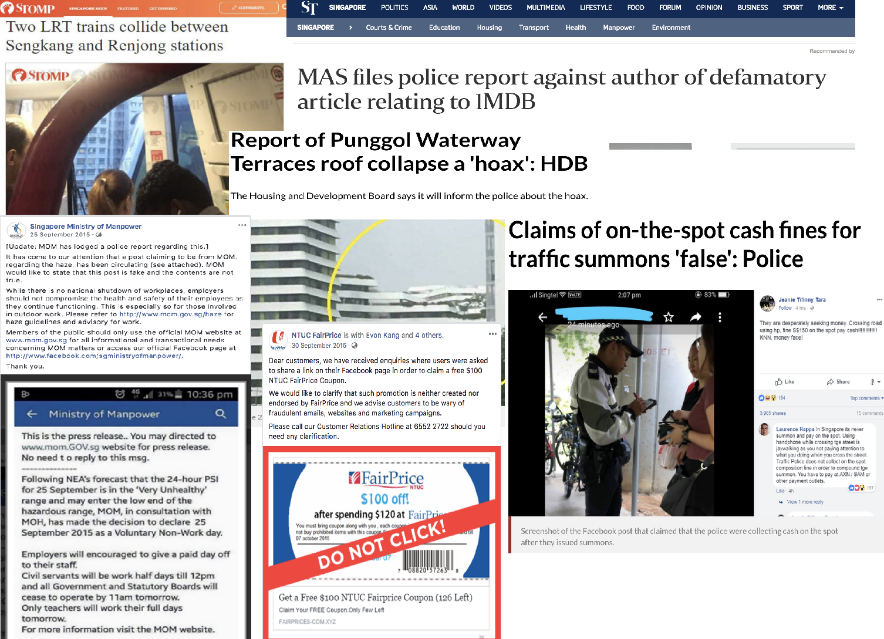
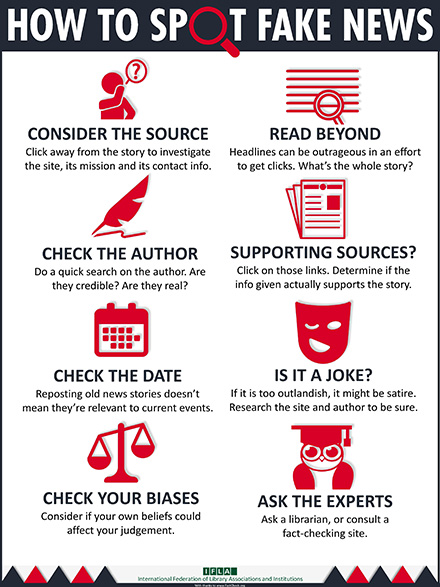 Image taken from: https://www.ifla.org/publications/node/11174
 Data recycling




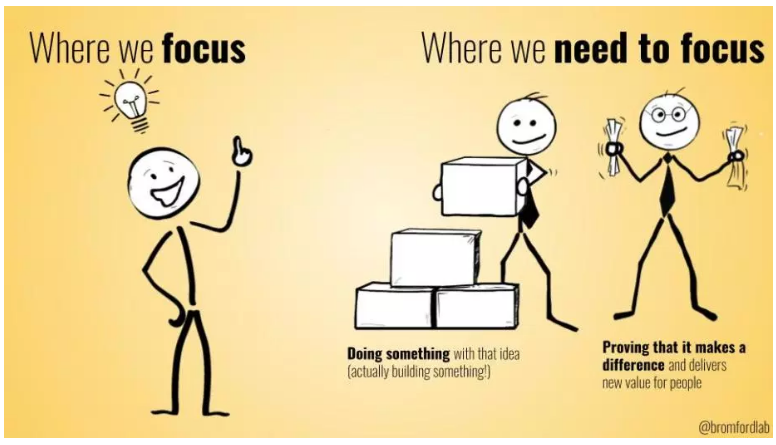
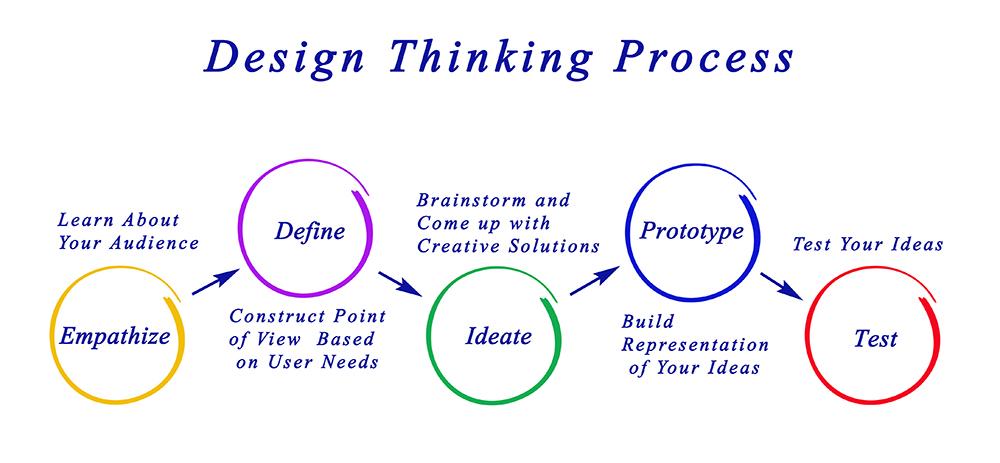
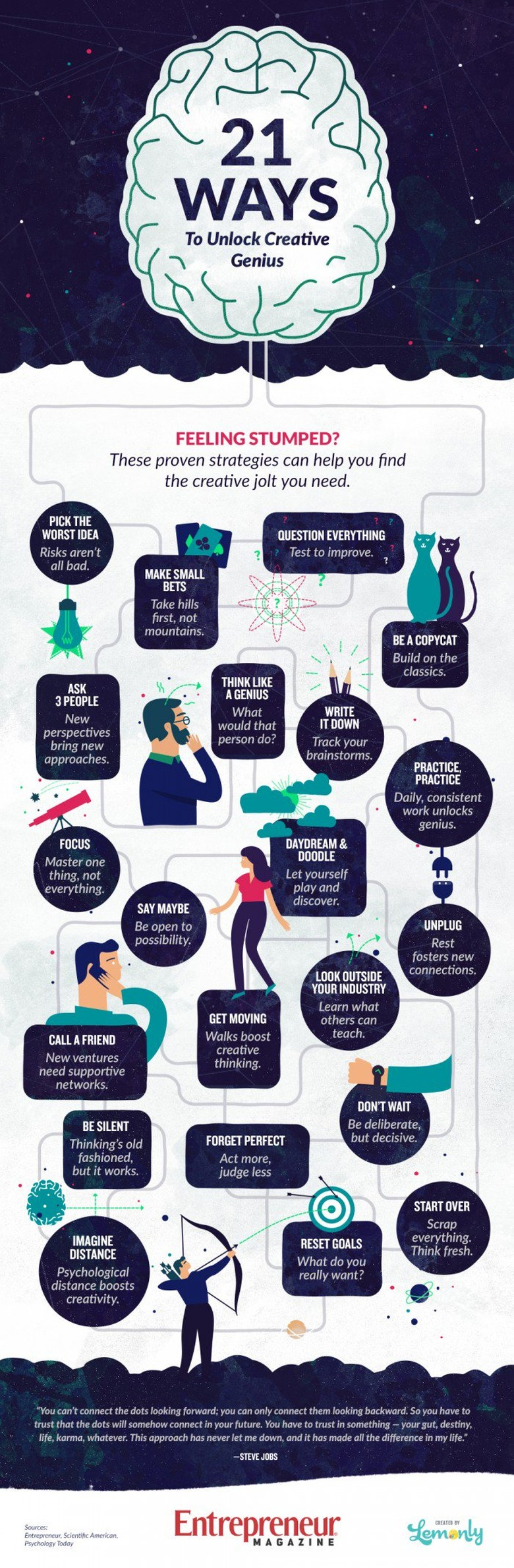

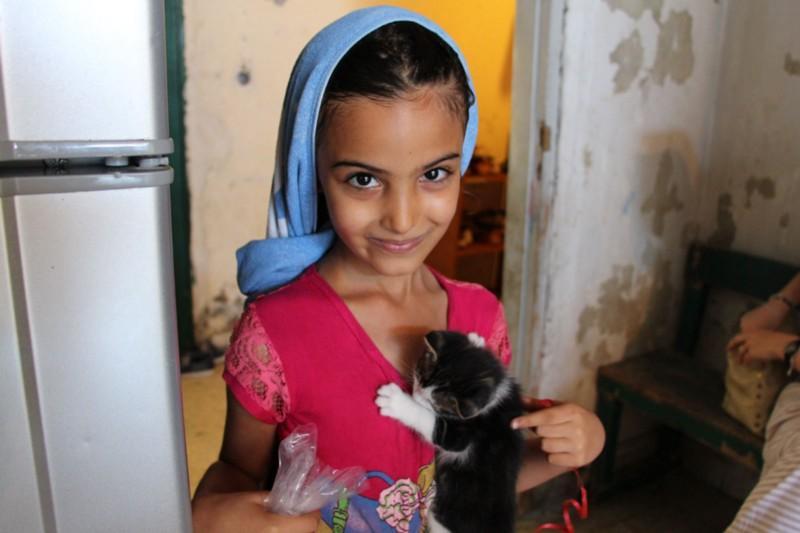 Image from: https://cdn-images-1.medium.com/max/800/1*D42Gz7wFMbqaEwavBv4MQQ.jpeg