What are some ways to promote gender equality in sports?
Even as more women are participating in the sports scene, portrayal of women could still be biased and stereotypical. The International Olympic Committee (IOC) highlights the importance of portraying gender equality in sports. Avoiding prejudice and stereotypes in the portrayal (i.e. representation) of women and men is a crucial step on the path towards gender equality, in all areas of life.
Let us focus on sports coverage and how representation of women in sports could be more balanced.
Through equal airtime and coverage devoted to both men and women’s events
Research indicates that female athletes still get less airtime than their male counterparts, and language related to physical appearance and personal lives, rather than athletic performance, is still more common for women than men,” explains Laura Grimes, Senior ELT Research Manager at the Press.
IOC believes that all sporting events are of equal importance. As such, in broadcast activities – coverage of events, interviews, athlete profiles, commentaries, it is best to provide equal exposure and ensure that the reporting is balanced between the different genders. Avoid excessive focus on only one gender.
2. Through bias-free language
Nouns and Proper Nouns: Use words that are bias-free
Prejudice and stereotypical beliefs can be revealed through the comments that people make. Some stereotypical comments can be made so flippantly that most people are unaware of them and let them slip by. Hence, there is definitely a need for people to be more attentive and to respond appropriately to unfair gendered remarks so that misconceptions could be addressed promptly.
Reflect:
What are some gender stereotypes that you have heard of?
Example, “Men should be… Women should….”
What can you do to challenge the gender stereotypes?
Eva Lavi remembers the showers in Auschwitz (1.43 mins) https://www.youtube.com/watch?v=LRzGE2WWq9c
A Holocaust Survivor Recalls The Day He Was Liberated (3.29 mins) https://www.youtube.com/watch?v=p3TYsR3oDZU
How I escaped the Holocaust (6.48 mins) https://www.youtube.com/watch?v=pcc8xCZ35KI
Those who stood firm
In a time when Adolf Hitler’s Nazi Party was engulfing Europe in hatred and fear, everyday heroes emerged to stand up to the terror. They made the choice to stand by their values and stand up against the Nazis. Some of these heroes survive the war, others weren’t as fortunate. All of them, however, demonstrated an admirable quality even in the darkest of times.
Let us read more about these individuals and their remarkable stories.
Janusz Korczak
Korczak with friends and children Picture taken from: http://www.holocaustresearchproject.org/ghettos/korczak.html
From the very beginning of the war, Korczak took up activities among the Jews and Jewish children. At first, he refused to acknowledge the German occupation and heed its rules. He refused to wear the Jewish yellow badge, and as a consequence spent some time in jail. However, when the economic situation took a sharp turn for the worse and the Jews of Warsaw were imprisoned in the ghetto, Korczak concentrated his efforts on the orphanage, seeking to provide the children there with food and the basic conditions to survive. Polish friends of Dr Korczak reported that they went to see him in the ghetto and offered him asylum on the Polish side, but he refused to abandon the children to save himself. Nothing is known about their last journey to Treblinka, where they were all murdered by the Nazis. After the war, associations bearing Korczak’s name were formed in Poland, Israel, Germany and other countries, to commemorate his courageous work.
Freddie and Truus Oversteegen
Forced to live under the dangerous rule of the Nazi Party, these Dutch teenage siblings worked to resist Nazi authority in the Netherlands by distributing illegal newspapers, harboring fugitives, helping Jewish people escape detention facilities and concentration camps, and smuggling Jewish people to safety. Both girls received arms training to shoot occupying soldiers. They also helped to set explosives to railroads and bridges, and fearlessly engaged themselves in any way they could to undermine Nazi control. They lured, ambushed and killed German Nazis and their Dutch collaborators. On these missions, Freddie was 14 and Truus was 16. They were exceptionally good at following a target or keeping a lookout during missions since they looked so young and unsuspecting. Both sisters shot to kill but never revealed how many Nazis they assassinated.
The teenage Dutch girls who seduced and killed Nazis – BBC REEL https://www.youtube.com/watch?v=OuT_Wd7-kq4 (4.57 mins)
Virginia Hall
General William Donovan presenting Virginia Hall with the Distinguished Service Cross, September 1945. Image taken from: https://www.history.com/news/female-allied-spy-world-war-2-wooden-leg
Virginia Hall signed up with the U.S. Office of Strategic Service (OSS), a precursor to the CIA. During World War II, Nazi officials were constantly hunting down resistance fighters and the allied spies who aided them. But there was one foreign operative the Third Reich held special contempt for—a woman responsible for more jailbreaks, sabotage missions and leaks of Nazi troop movements than any spy in France. She was an American, Virginia Hall, but the Nazis knew her only as “the limping lady”.
In 1944, months before the D-Day invasion at Normandy, Hall rode a British torpedo ship to France, and disguised as a 60-year-old peasant woman, she criss-crossed the French countryside organising sabotage missions against the German army. In one U.S. Office of Strategic Service (OSS) report, Hall’s team was credited with derailing freight trains, blowing up four bridges, killing 150 Nazis and capturing 500 more.
After the war, Hall was awarded the Distinguished Service Cross, one of the highest U.S. military honors for bravery in combat. She was the only woman to receive the award during World War II. Back home, she continued to work for the CIA until her mandatory retirement at age 60.
These stories reveal the importance of standing up selflessly and courageously against injustice and cruelty.
After the experiences of World War I and World War II, it is imperative that the world does not go into another armed conflict. War is disastrous and has devastating consequences. Other than physical destructions to countries and the loss of innocent lives, those who are affected by war would most definitely suffer post-traumatic stress disorder (PTSD). Lest we forget, the impact of war will always be long-term and devastating, even to those who are on the ‘good side’ or to those who are ‘victorious’.
Would you stand your ground to assert what is morally right despite facing objections from others? Explain your answer.
Historical Fiction:
The Boy in the Striped Pajamas by John Boyne
Once by Morris Gleitzman
Man’s Search For Meaning: The classic tribute to hope from the Holocaust by Victor E. Frankl
The Choice by Edith Eger
Code Name Verity by Elizabeth Wein
Historical Non-fiction:
Last Witnesses: An Oral History of the Children of World War II by Svetlana Alexievich
Flags of Our Fathers by James Bradley
D-Day Girls: The Spies Who Armed the Resistance, Sabotaged the Nazis, and Helped Win World War II by Sarah Rose
The Ghost Army of World War II: How One Top-Secret Unit Deceived the Enemy with Inflatable Tanks, Sound Effects, and Other Audacious Fakery by Rick Beyer and Elizabeth Sayles
Total Defence Message 2020 by Minister of Defence Ng Eng Hen
https://www.youtube.com/watch?v=fWJD0C00ElQ (4.08mins)
PCK- Be Steady
https://www.youtube.com/watch?time_continue=55&v=7ccjPJUROzA&feature=emb_logo (2mins)
How can the 6 pillars of Total Defence be applicable during a pandemic?
When the disease outbreak response level (DORSCON) was raised from yellow to orange, citizens in Singapore reacted with panic-buying. The act of hoarding food and essential items during a pandemic is considered as being selfish because it deprives others who have a greater need of the goods. Worse still, many baskets of groceries were abandoned along aisles or near the counters because the wait was simply too long, leaving perishable food items to spoil. It also created extra unnecessary work for supermarket staff to return those items to their rightful places.
Image taken from: https://mothership.sg/2020/02/psychology-panic-buying/
It is crucial times such as this, that citizens apply the 6 pillars of Total Defence. Total Defence Day is marked on the 15th of February every year to remind Singaporeans of the importance of the role of every citizen in defending Singapore. The 6 pillars of Defence serve to elucidate the role of each sector of society in ensuring Singapore’s security. It is essential for Singaporeans to be ready to defend the country when she faces potential military and non-military threats.
Minister of Trade and Industry Chan Chun Sing stated that “Our strongest defence as a nation is collective defence, when each and every one of us plays a part”. Let us find out more about the 6 pillars of Total Defence and how you can play your role during a crisis in Singapore.
The 6 Pillars of Total Defence
Image taken from: https://www.facebook.com/WeAreTotalDefence/photos/a.369939336698491/1033061783719573/?type=3&theater
What challenges have you encountered or observed during the COVID-19 times? Which pillars of defence is relevant in managing those challenges that you have mentioned?
David Attenborough: A Life on Our Planet | Official Trailer | Netflix
https://www.youtube.com/watch?v=64R2MYUt394&feature=emb_logo (1.59mins)
How has nature provided us with insights into human relationships?
Planet Earth is inhabited by millions of species—at least! Because different species often inhabit the same spaces and share—or compete for—the same resources, they interact in a variety of ways, known collectively as symbiosis.
Symbiotic relationships create many complex ecological interactions. These relationships hint at the ways in which the members of ecosystems can interact like the organs of an organism. These relationships are essential to many biological processes in humans and our world.
Did you know that some similes or metaphors about human relationships are inspired from symbiotic relationships?
First, let us find out more about symbiotic relationships in nature. As you read the following information, think about how similar or different these relationships are as compared to human relationships.
The main symbiotic relationships observed in nature are:
Examples of mutualism/mutualistic relationships occurring in nature:
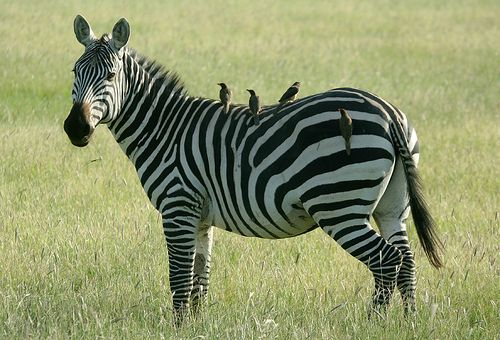
One example of a mutualistic relationship is that of the oxpecker (a kind of bird) and the rhinoceros or zebra. Oxpeckers land on rhinos or zebras and eat ticks and other parasites that live on their skin. The oxpeckers get food and the beasts get pest control. Also, when there is danger, the oxpeckers fly upward and scream a warning, which helps the symbiont (a name for the other partner in a relationship).
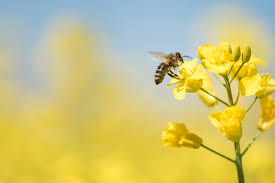
2. The bee and the flower. Bees fly from flower to flower gathering nectar, which they make into food, benefiting the bees. When they land in a flower, the bees get some pollen on their hairy bodies, and when they land in the next flower, some of the pollen from the first one rubs off, pollinating the plant. This benefits the plants. In this mutualistic relationship, the bees get to eat, and the flowering plants get to reproduce. Both parties benefit.
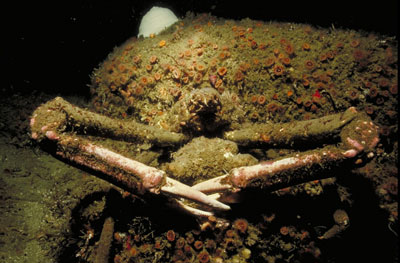
3. The spider crab and the algae. Spider crabs live in shallow areas of the ocean floor, and greenish-brown algae lives on the crabs’ backs, making the crabs blend in with their environment and become unnoticeable to predators. The algae gets a good place to live, and the crab gets camouflage.
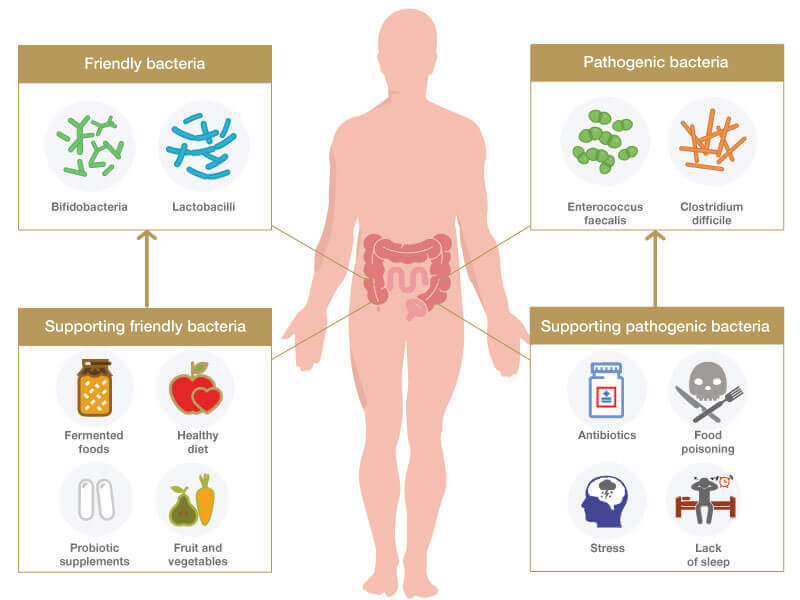
4. The good bacteria and the human. A certain kind of bacteria lives in the intestines of humans and many other animals and they assist the human in digesting the food. When the human cannot digest all of the food that he eats, the bacteria helps digest the food that the human cannot digest partially, then allow the human to finish the job. Bacteria also help in protecting cells in intestines from invading disease-causing pathogens. Therefore, by having good bacteria in your body, your immune system will be strengthened as bad bacteria don’t get a chance to grow and cause disease.
What similarities have you noticed about symbiotic relationships in nature and human relationships?
Here is one example:
Tim has been behaving like a leech for the past few months.
This simile compares Tim’s behaviour to how a leech behaves. A leech is a parasite that attaches itself to a host and sucks the blood of a host. However, it is not literally saying that Tim is a vampire and is sucking the blood of a person. The behaviour of Tim and the leech is similar. It is common for people to use the simile to compare a leech to someone who gives attention to someone over a long period in order to get their money, support or any benefits. This is very similar to parasitism; one person benefits at the expense of the other person!
What other interesting similes or metaphors can you think of relating to symbiotic relationships in nature?
Global warming effects – National Geographic
https://www.nationalgeographic.com/environment/global-warming/global-warming-effects/ (2.49 mins)
TIME 2019 Person of the Year” Greta Thunberg
Is it too late to prevent climate change?
Climate change encompasses not only rising average temperatures but also extreme weather events, shifting wildlife populations and habitats, rising seas, and a range of other impacts. All of these changes are emerging as humans continue to add heat-trapping greenhouse gases to the atmosphere.
Humans have caused major climate changes to happen already, and we have set in motion more changes to come. Even if we stopped emitting greenhouse gases today, global warming would continue to happen for at least several more decades, if not centuries. That’s because it takes a while for the planet (for example, the oceans) to respond, and because carbon dioxide – the predominant heat-trapping gas – lingers in the atmosphere for hundreds of years. There is a time lag between our actions and when we see the impact of our actions.
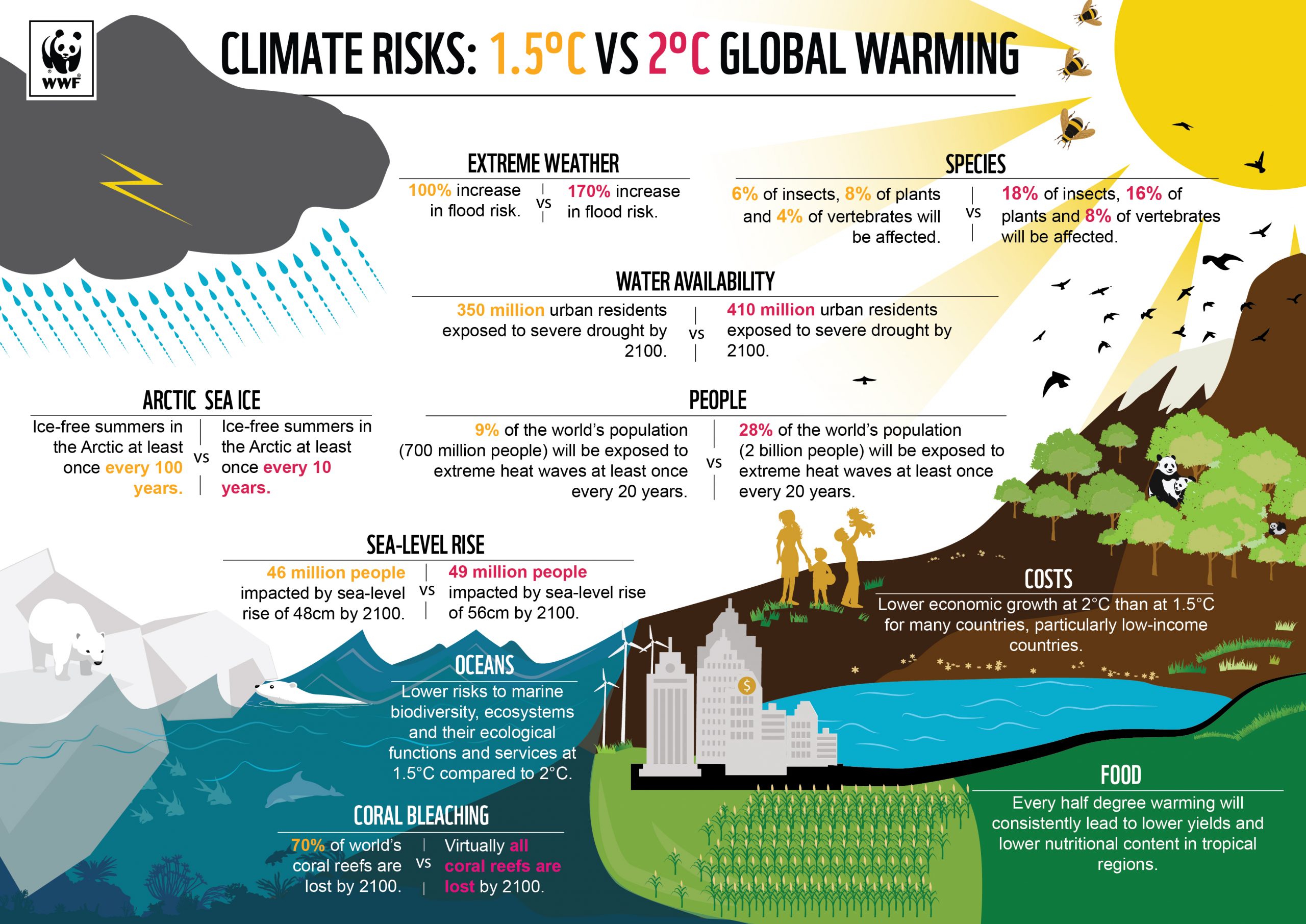
Effects of global warming
Image taken from: https://visme.co/blog/wp-content/uploads/climate-risks-1.5-degree-vs-2-degree-global-warming-climate-change-facts-infographic.jpg
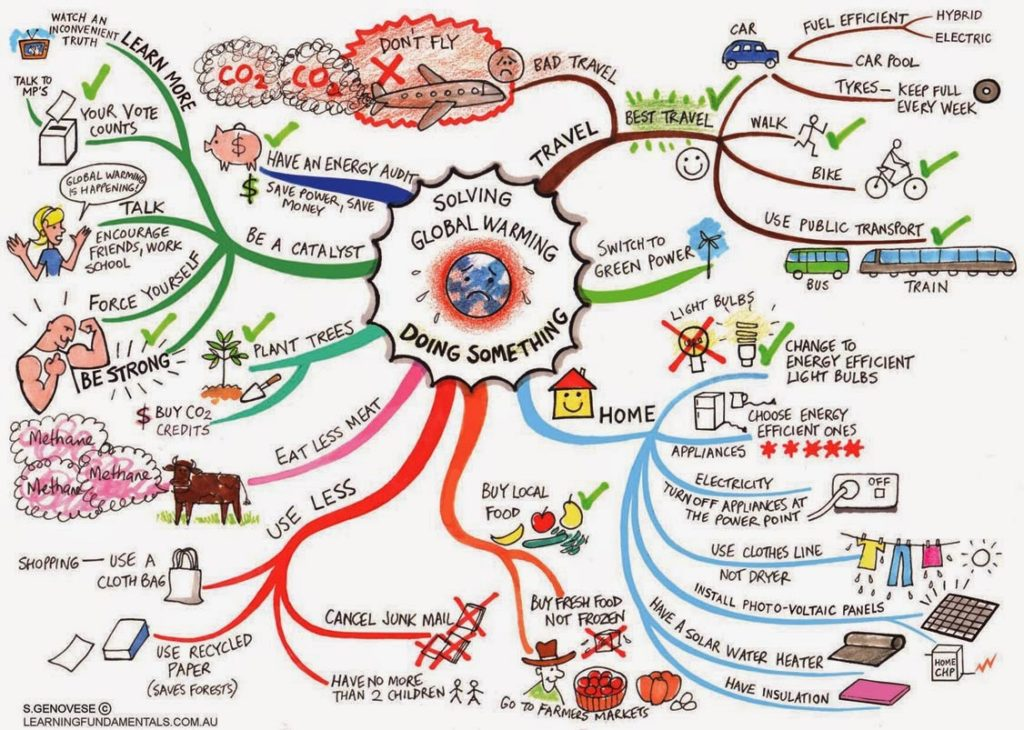
As climate change is a truly global, complex problem with economic, social, political and moral ramifications, the solution will require both a globally-coordinated response (such as international policies and agreements between countries, a push to cleaner forms of energy) and local efforts on the city- and regional-level (for example, public transport upgrades, energy efficiency improvements, sustainable city planning, etc.). We often put the blame on big businesses and governments for prioritizing profits over environmental concerns. However, we should remember that our individual decisions daily will make an impact on the environment too. The mind map below suggests some ways in which we can help in making a difference to the environment. We are inhabitants of the earth and we have the responsibility to care for our world. It’s up to us to determine what happens next.
Image taken from: https://climatesafety.info/what-we-all-can-do/
Why is it important for you to be environmentally conscious?
What changes will you make to your lifestyle so that you can be more eco-friendly?
If you are passionate about climate change and would love to find out more, visit the website below and watch Ted Talks videos about climate change.


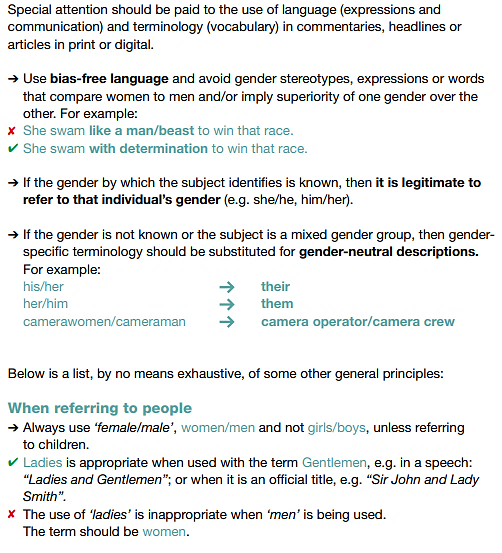
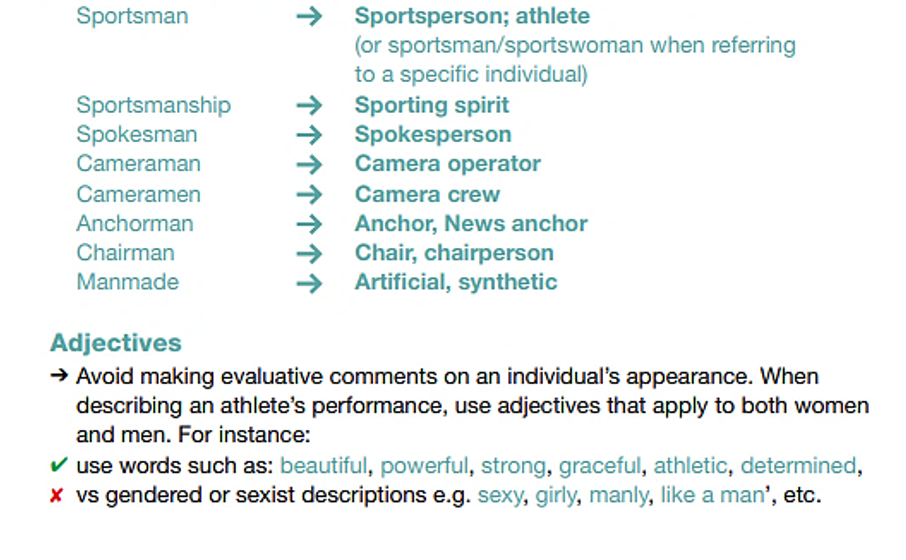
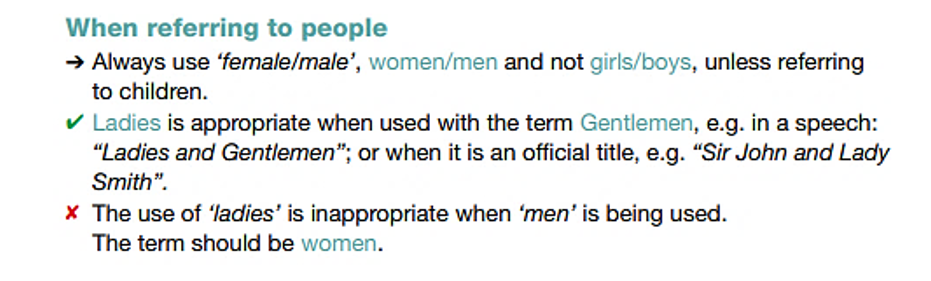
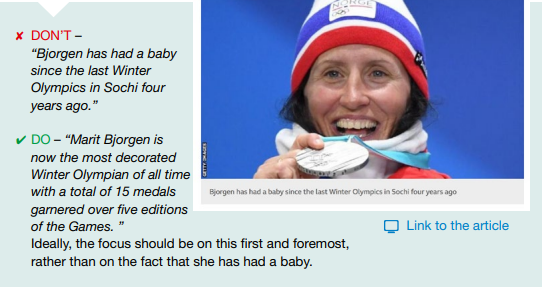 Prejudice and stereotypical beliefs can be revealed through the comments that people make. Some stereotypical comments can be made so flippantly that most people are unaware of them and let them slip by. Hence, there is definitely a need for people to be more attentive and to respond appropriately to unfair gendered remarks so that misconceptions could be addressed promptly.
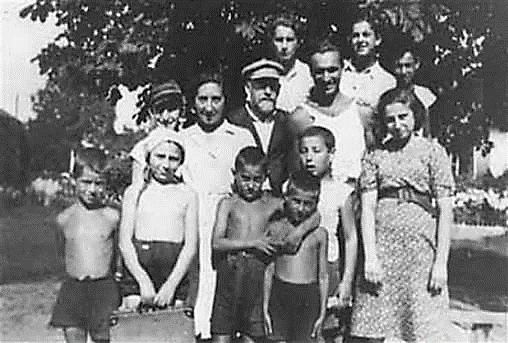
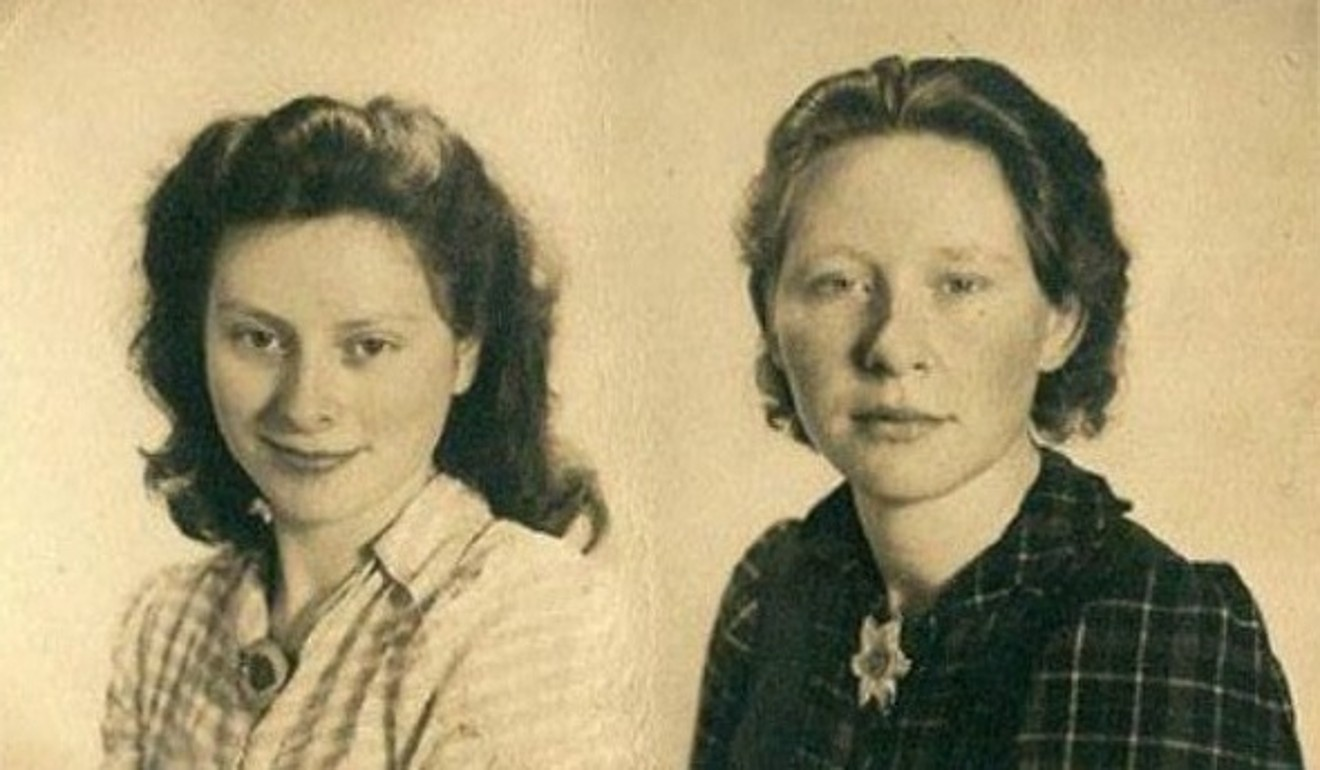
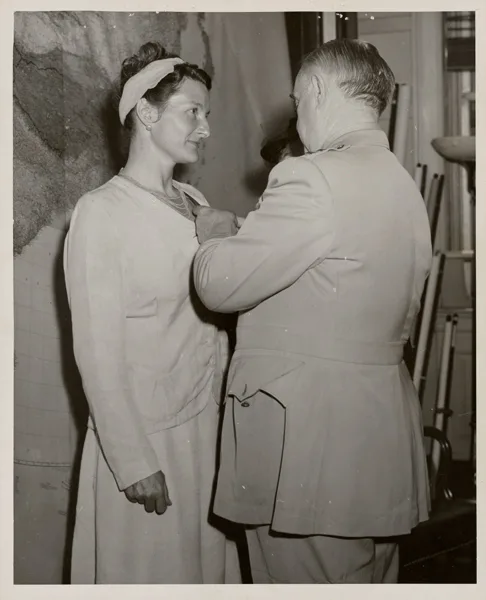

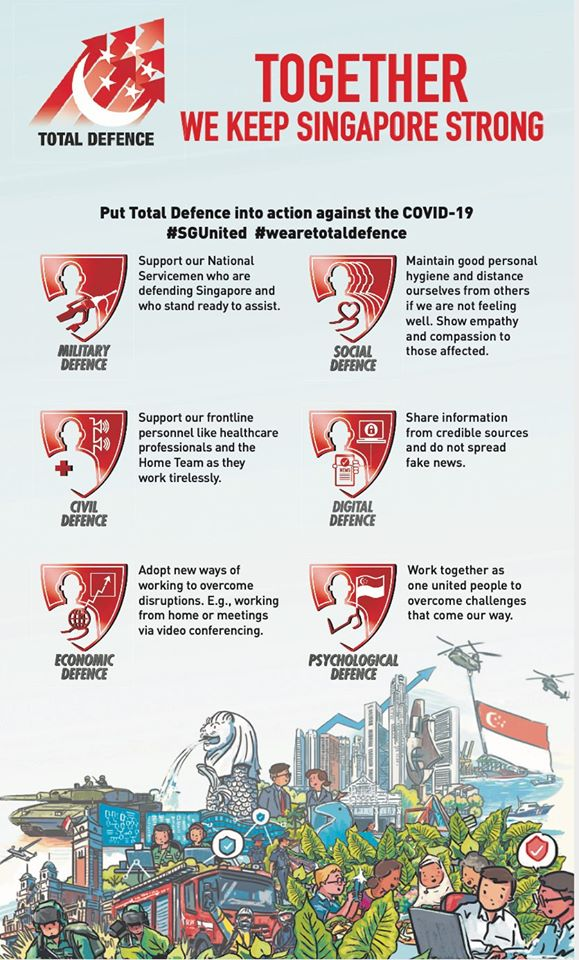
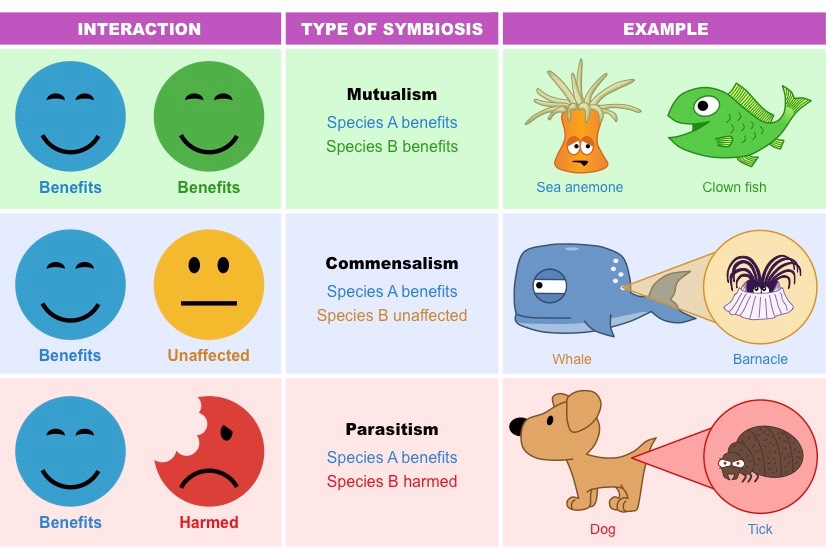 Image credits: