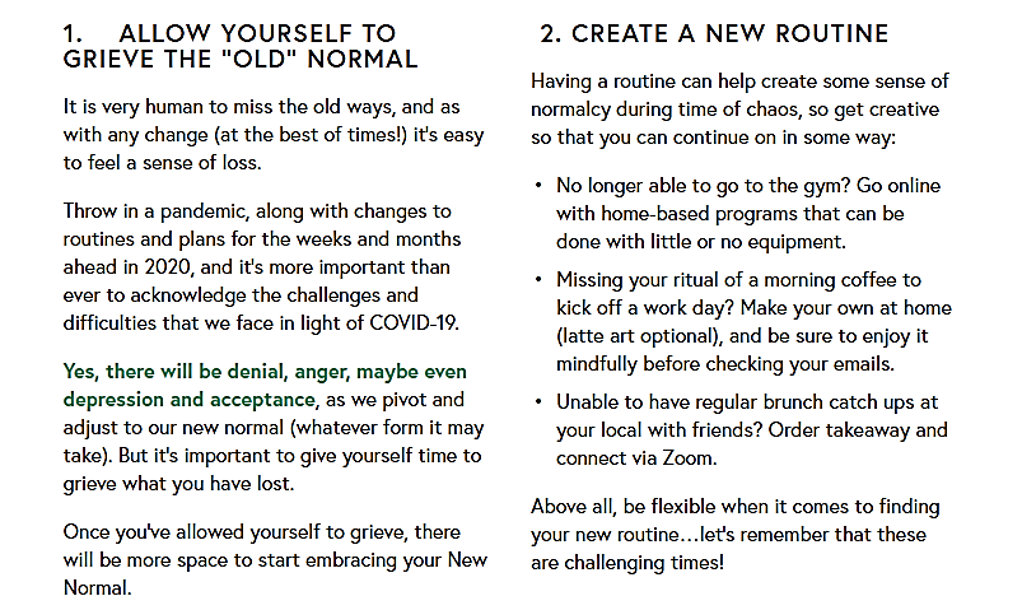
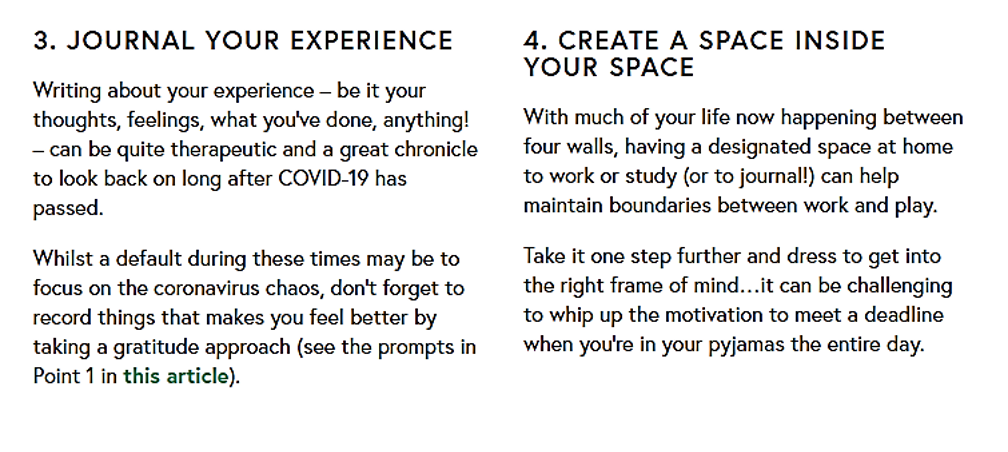
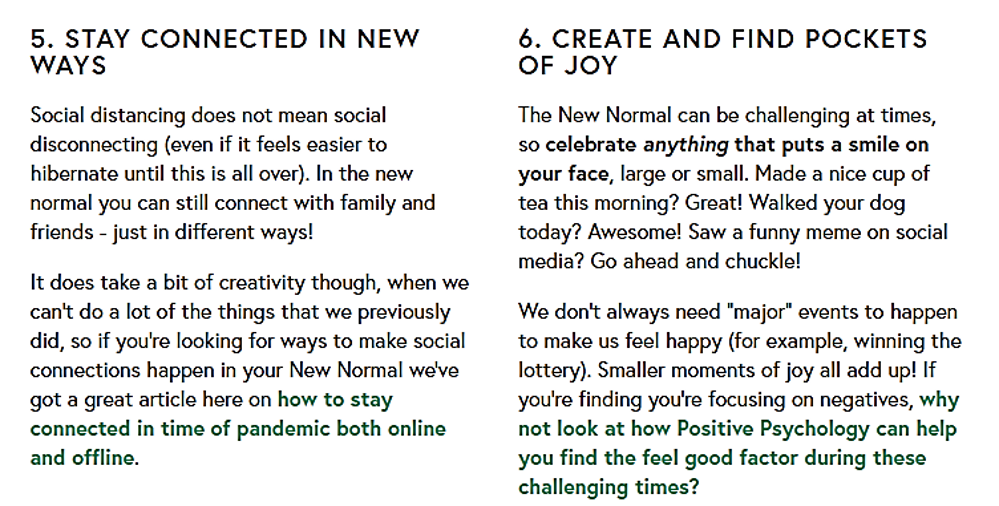
Adjusting to change can be challenging. Be it planned or unplanned, gradual or sudden, change is inevitable and very much part of being human. In 2020, we’ve experienced an unprecedented shift in our way of life due to COVID-19. The way we live, socialise and learn looks very different now. Before we know it, we’ve (reluctantly) let go of our ‘old normal’ and now settling into what seems to be our ‘new normal’.
How can you adapt to changes in your usual routines?
Remember to give yourself the space and time to grieve, to celebrate, and to feel every emotion in between, during this challenging time. We are living in a situation that never happened before (at least in our lifetime), and it is impacting each and every one of us in a unique way.
How can you show kindness to someone who is struggling to adapt to these changes?
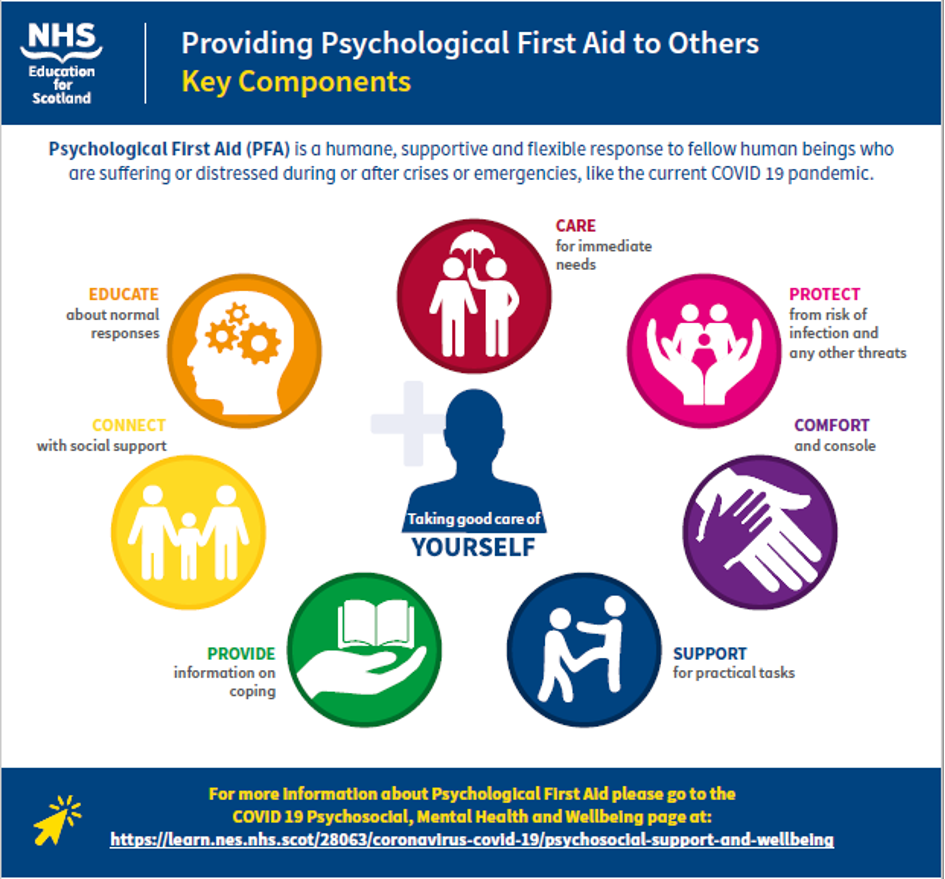
We have heard about administering physical first aid but what does Psychological First Aid (PFA) mean?
We experience crisis in many forms. Obvious ones are hurricanes, earthquakes, and other natural disasters. Then there is traumatic life crisis such as abuse, vehicle accidents, untimely deaths, violence, and suicide. Aside from that, there is personal crisis like a relationship breakdown, job loss, financial issues or health-related problems. Learning PFA enables you to help others and care for yourself not only in times of disasters but also in dealing with the everyday crisis.
PFA is an ingenious, effective and practical set of interventions designed to help kids, adults, parents, and the entire community by providing emotional and psychological support in order to maximize their psychological functioning.
In the aftermath of a disaster, the usual focus of the first responders is to maintain a safe and stable physical health for the casualties – leaving no time to immediately attend to mental health implications like trauma. But an increasing number of rescue and recovery experts discover that a mental component should be added to emergency response to prevent the long-term mental impact of disaster.
Shona Whitton of Red Cross said, “This (PFA) is something we should be ensuring people know what to do. Mental health implications of disasters can last a really long time. If we can get people to provide good support like psychological first aid, it will make people’s recovery after disasters a lot quicker.”
How does Psychological First Aid work?
Psychological First Aid is not a substitute for professional counselling and treatment. However, it works like a traditional first aid does – an immediate help. PFA is not something that only professionals can do. in fact, anyone including government officials, community workers, and perhaps even you can learn and provide PFA.
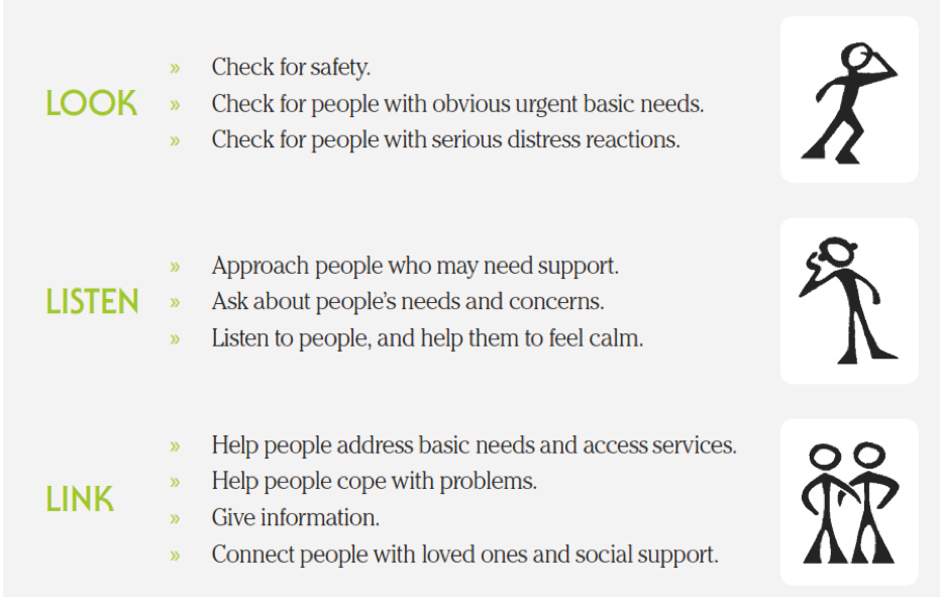
PFA training is based on the World Health Organisation (WHO) endorsed “Look.Listen.Link” model.
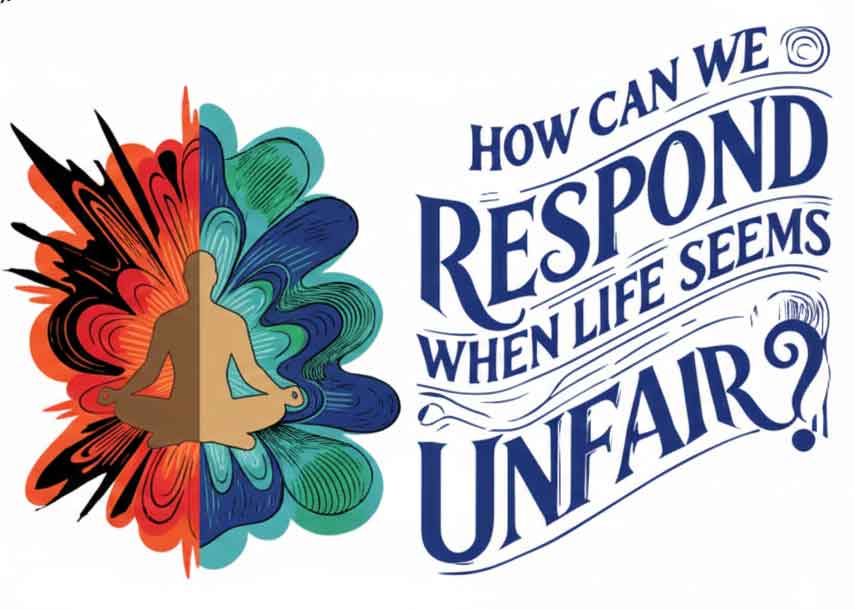
There are times when we witness social injustice and anger wells up in us naturally. The emotions that people typically feel when something unjust or unfair occurs can be a double-edged sword. If they are controlled and channelled properly, they can lead to positive changes. If not, they can worsen a bad situation. Although anger initially causes a surge in someone’s energy level, impulsive, anger-driven actions are rarely productive. If you experience something unfair or unjust and you can do something about it to improve the situation, then you should. Allowing that ‘cannonball’ to sit in your stomach does you absolutely no good. In fact, it adds unnecessary stress to your life. However, much of the “unfairness” that happens in the world is not within our control.
Here are three ways to respond when unfair situations are beyond our control:
Take a few deep breaths and ask yourself if it’s worth the energy you’re putting into it
For most, it’s human nature to have an immediate and negative reaction to something that seems unfair. However, sometimes when that “unfairness” is put into perspective, it’s often something not worth stressing yourself out over. If someone cuts the line at the movie concession stand, that’s not fair. Maybe you say something, maybe you don’t. Maybe if you say something, the person has a snarky response which makes you even more upset. But at the end of the day, you need to ask yourself if that person, who was either really distracted or just plain rude, is worth the energy that you’re putting into the experience. Why let someone you have no investment in interfere with your enjoyment of the movie you’re getting ready to watch? When you consider the big picture (no pun intended), a rational, unemotional mind would probably say no.
Be conscious of what you can and can’t control
Staying with the line cutter as an example, you have no control over the choice that the person has made. The only thing you have control over is how you decide to respond. So often, the situations that people get most upset about and stress out over are situations that they have no control over, for example, what someone else did or didn’t do. However, the reality is, you have no control over what someone else does or doesn’t do. And if you have no control over it, it is a complete waste of good energy to ruminate over it. That doesn’t make the situation any more or less fair or just. It’s just the way it is. The only thing you have control over is how you respond. So before you expend a lot of energy, ask yourself if this is something you have control over.
“We can’t change mistreatment that happened in the past. We can address mistreatment that’s happening now. We can’t change someone else’s decision or behavior if they aren’t willing to change. We can change how we respond to them (and choose to help educate and positively influence them). We can’t change that tragedies have occurred, in our own lives or in places across the globe. We can support causes that seek to prevent future tragedies, or even spearhead our own. And we can’t guarantee specific outcomes for our actions, but we can increase our odds of making a difference by being clear-headed, patient, and consistent. Sometimes there will be unfair things that we simply need to accept, and it might feel instinctive to fight that. We’re only human, and we will sometimes give in to our emotional responses. What’s important is that we try to move beyond them so we don’t let the things we can’t control take control of us.”
Consciously monitor negative thoughts and emotions, and turn them into positive actions
When something negative happens, it’s very common for people to start engaging in negative self-talk. “That was unfair.” “She was mean.” “I was supposed to be there.” “I could have been more careful.” And all of those things may well be 100 percent true, but they all keep you trapped in the past. They’re thoughts and feelings about what happened, and as noted above, there is absolutely nothing that you can do, think, or feel that is going to change something that has already happened.
To bring about positive change, your focus needs to be on the present and the future. To do that, you have to make a concerted effort to monitor your thoughts and feelings.
Analyse your self-talk and ask yourself:
Is this thought (or feeling) positive or negative?
Is it something I have control over?
Is it something that happened in the past?
Is there something I can do now or in the future that might produce a change?
If the answers are negative, no, yes, and/or no, then stop the thought and change it. Many cognitive psychologists suggest that you actually visualize a STOP sign and tell yourself, “This is not productive” as a way to facilitate this process. It’s also important to remember that this is a process and it takes practice.
As author and educator Kendra Cherry writes, “Being a positive thinker is not about ignoring reality in favor of aspirational thoughts. It is more about taking a proactive approach to your life. Instead of feeling hopeless or overwhelmed, positive thinking allows you to tackle life’s challenges by looking for effective ways to resolve conflict and come up with creative solutions to problems.”
Cherry goes on to say that staying positive is not necessarily easy, but the impact that it will have on your mental, emotional, and physical well-being will be “well-worth it”. She adds, “It takes practice; lots of practice. This is not a step-by-step process that you can complete and be done with. Instead, it involves a lifelong commitment to looking inside yourself and being willing to challenge negative thoughts and make positive changes.” In fact, some of the strongest and most productive movements against injustice have been when people have channelled their anger, sadness, and disappointment into positive action.
Taking positive action is a choice. Certainly, challenges and hardships happen in our lives and that make us feel sad or angry. In fact, these are normal emotions to feel for a period of time after something negative happens in our lives. We grieve losses. We regret mistakes. We get upset when we or someone else is treated unfairly. However, at some point, we have to make a decision. Do I want to live in the past, or do I want to live in the present and work toward a positive future?
It’s also good to keep in mind that out of every crisis comes an opportunity. No matter how bleak or dire circumstances may seem, when we can’t change them, we can control how we view them. It’s our perspective – our point of view that matters.
How can you change your perspective about some of the problems that you are facing now?
Coronavirus | Dealing with anxiety & mental health during a pandemic
https://www.youtube.com/watch?v=xzNMABRELPg (4.34mins)
How to stay mentally healthy during social isolation
“Humans are social animals and being isolated from others can have a big impact on their health. All our systems, including social, psychological and biological, have developed around social groups and interaction with one another,” says Dr. Zlatin Ivanov, MD, a New York-based psychiatrist.
However, when you’re dealing with stress, depression or anxiety, you may be tempted to become less social, but that can create a cycle that leaves you feeling more isolated, anxious, and depressed.
When we connect with friends and family through fun and engaging activities, we’re actually helping to maintain our sense of well-being.
Dr. Ivanov recommends the following tips to maintain mental well-being:
Social connectedness: Technology like video chat or phone can help us to maintain our relationships with families and friends. Apps, like QuarantineChat, have even been developed to help people stay connected across the globe through voice chat with others who are impacted by the virus. However, social connectedness is the measure of how people come together and interact — and we’re not talking about how many posts you share with your friends on Facebook!
Exercise: Exercise is a well-documented stress reducer. It boosts endorphins (our feel-good chemicals) and decreases stress hormones, including cortisol and adrenaline. Even during social isolation, you can still safely go for a run, workout at your desk, and maintain strength and muscle.
Connect with nature: Getting outdoors, especially into sunshine and green space, can improve mood by slowing activity in the prefrontal cortex, an area of the brain that has been associated with anxiety. If you can’t get outside, listening to natural sounds (like that of rain or birds) or even looking at pictures can help. Overall, these activities can stimulate the production of neurotransmitters like dopamine, serotonin, oxytocin, and endorphins, all of which promote mental health and stability.
Meditate:
Research has found that meditation can reduce anxiety and depression. A 2019 study of mobile meditation apps found that 10 minutes per day of meditation made college students feel less depressed and more resilient. The more they used the apps, the stronger the results were — though further research is needed to gauge whether these benefits can last over long periods of time. Focusing on what you’re grateful for — like spending time with family or getting to try a new hobby — can also help lift your mood and combat the effects of isolation. For example, one small study of 32 healthy people found that gratitude meditation could improve mental health and emotional regulation. The researchers used brain imaging scans and found that connections in the brain were activated during the meditation, and participant’s heart rates were lowered. Further research is needed, they said, to study the potential long-term effects. But overall, meditating on what you’re grateful for can be a helpful tool to try. “We need to stay aware of what makes us happy and brings joy to our daily lives”, says Dr. Ivanov.
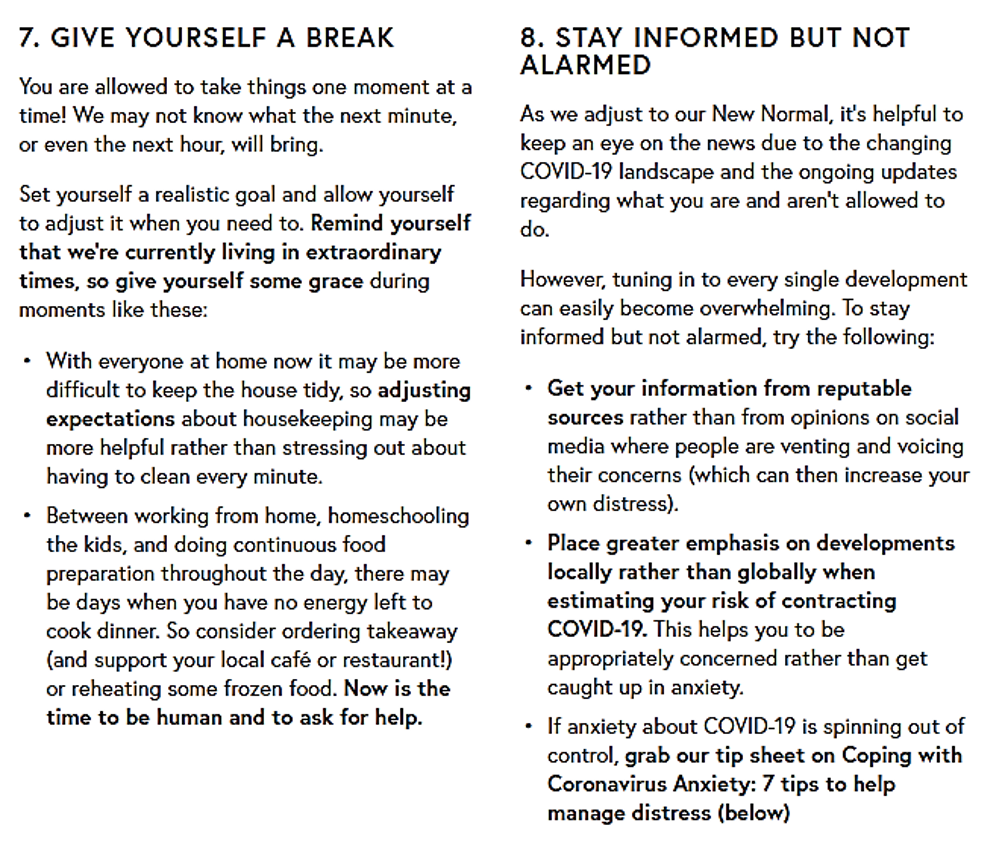
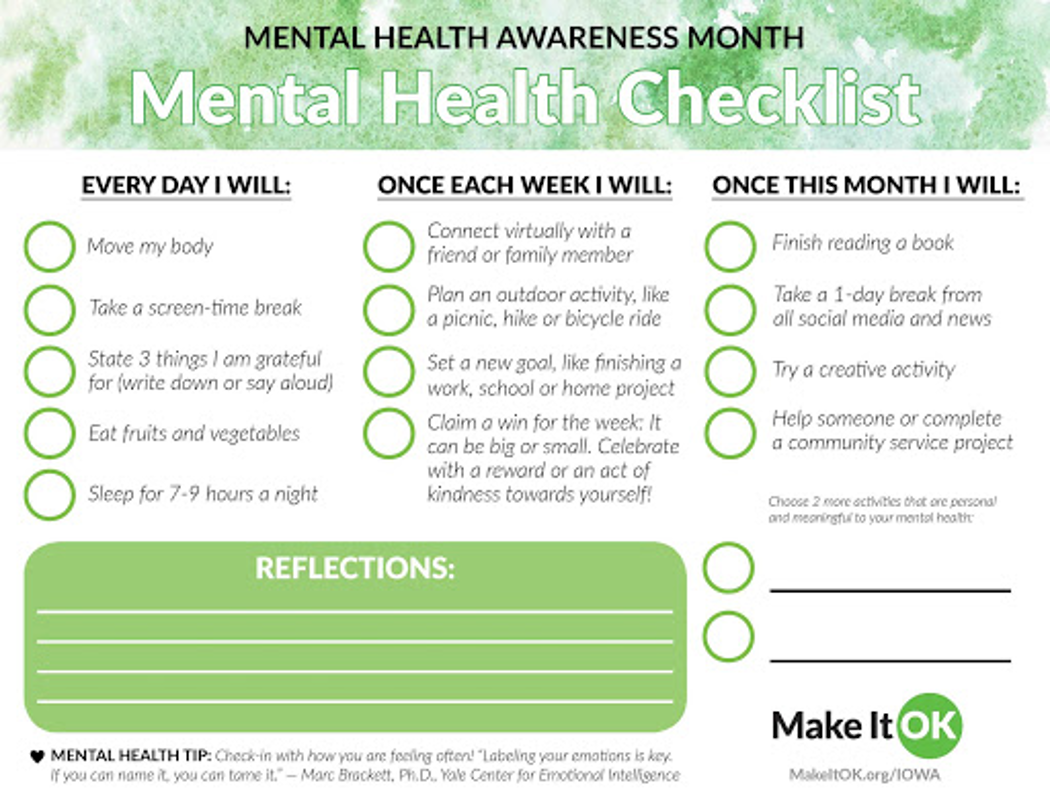
You can use this mental checklist to remind yourself to take care of your mental health!
What does a cashless future mean? | The Economist
https://www.youtube.com/watch?v=-0ph-pvCSPc (5.21mins)
Cashless in China | Why It Matters | CNA Insider
https://www.youtube.com/watch?v=cj2Fh8aX148 (3.43mins)
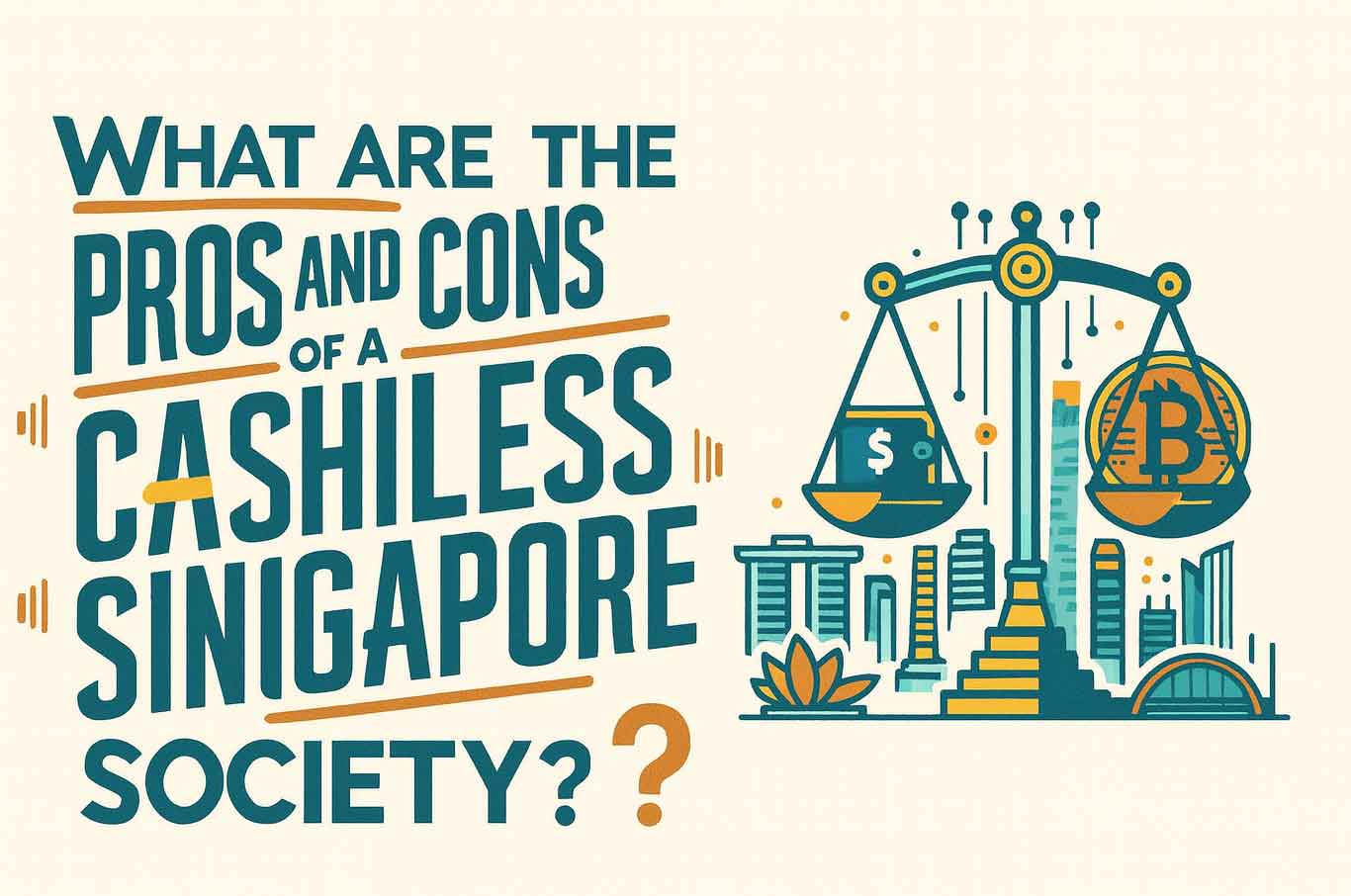
What are the pros and cons of a cashless Singapore society?
Somewhere in the future, cash will be a thing of the past. Governments all around the world are moving towards being cashless and this is happening in Singapore well.
In 2018, Monetary Authority of Singapore (MAS) board member and Minister for Education Mr Ong Ye Kung talked about reducing the use of cash and cutting out cheque use by 2025. In addition, he added that, “we don’t need to be literally a cashless society – some people will always find cash useful – but we certainly can transact with a lot less cash and we won’t need to visit the ATM so often.”
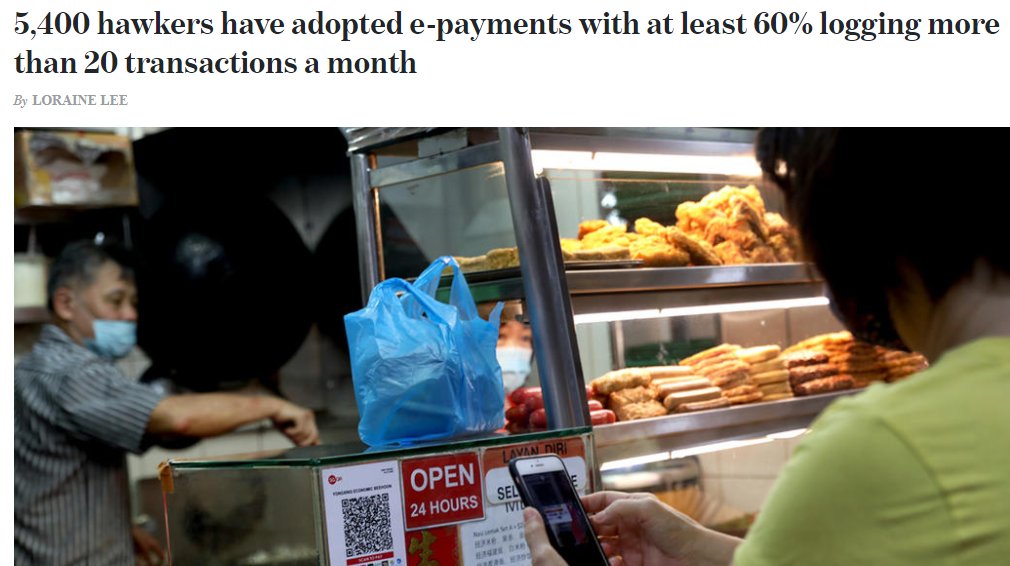
More recently, the ongoing push to digitalise Singapore that has been made more urgent because of the disruptions caused by the COVID-19 outbreak. In response, the Government has established a digitalisation office which aims to reach out to hard to reach groups in our society (e.g. seniors and hawkers and get them to adopt digital tools).
Is cashless really better? Let us find out the pros and cons of a cashless society for Singapore.
Pros of a cashless Singapore society
Reduction in cash-related crimes
Singapore remains one of the safest countries in the world, but low crime does not mean no crime. According to Data.gov, Singapore had 11,215 reported theft and related crimes in 2019. Moving to a cashless society would likely reduce this statistic as physical cash is easier to steal compared to money in cashless wallets…
Going cashless is convenient and time-saving
One of the major benefits of a cashless society comes from the convenience brought about by electronic payment (e-Payment) solutions. E-payments have made it possible for people to go about their day without any physical cash.
People still can function without their wallets. For example, a person can just simply whip out his phone to pay for his food and shopping, without having to fumble around for change or worry if accurate change is given. Topping up EZ-Link card is made efficient with services like SimplyGo as people do not have to queue up.
Going cashless will also save businesses time and money, as managing physical cash incurs cost. The costs of storing, depositing and keeping a supply of physical money could be a thing of the past if we live in a cashless society. Deputy Prime Minister Tharman Shanmugaratnam stated that; “It has been estimated that the cost of processing cash is about S$2 billion a year, or 0.5% of GDP in 2015. This is the amount that businesses collectively, especially small businesses, can potentially save,” he said.
Cashless is more hygienic
Going cashless will be better for public health. Physical money can be a host for viruses, protozoa, bacteria and even pathogens. In other words, going cashless means that this risk of spreading germs via physical money can be eliminated.
More accurate collection of economic data for governments
This benefit is more relevant for the government. With a cashless society, there will be no need for the government to conduct expensive surveys and studies to collect data about real-world transactions to make their decisions. In theory, the Singapore government will have access to a greater amount of quality data they can use to formulate their policies. Hopefully, this will translate to better and more impactful economic policymaking that will benefit the public.
Unfortunately, it is not all sunshine and rainbows for individuals in a cashless society as there are quite a few cons as well. Let us look at the disadvantages of a cashless Singapore society.
Cons of a cashless Singapore society
Loss of privacy
As a cashless society, there will be reduced privacy when it comes to data regarding financial transactions. By going cashless, it will be next to impossible to send and receive money anonymously like with physical cash. The right to privacy is not about withholding information but protecting the private information that you have. A cashless society means that there will be much more personal financial data available about an individual. This information might be held with a trusted organisation but your data still can be vulnerable.
Increased risk of cybercrimes Online scams are a worrying problem in Singapore. As we move to a cashless society, the criminals are moving online too
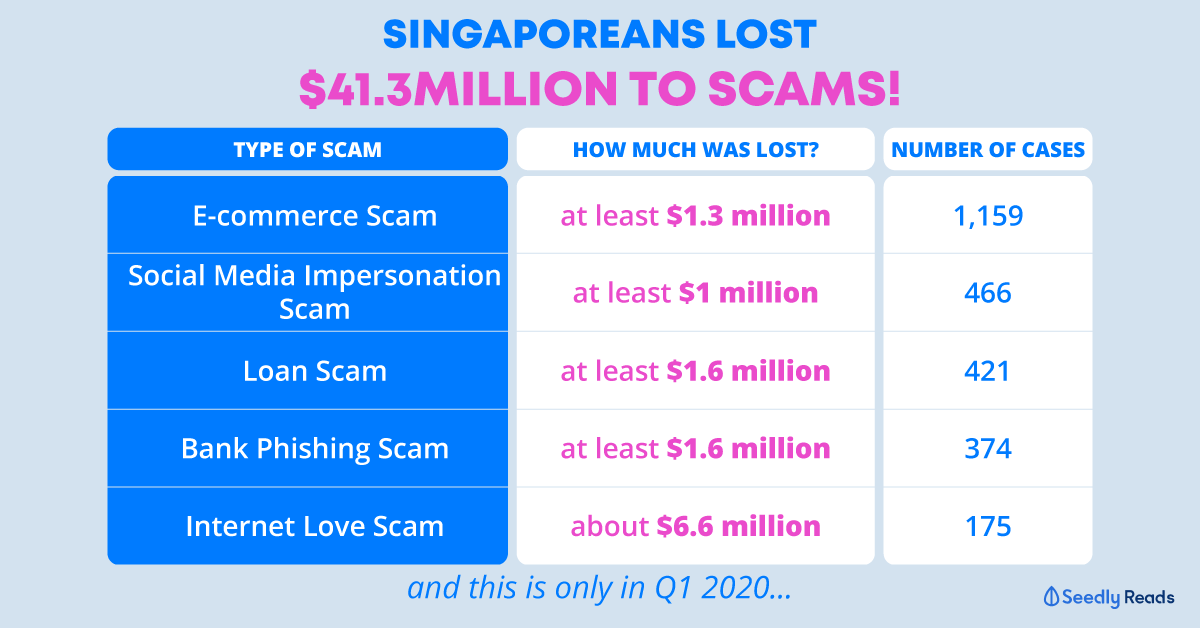
In the early half of 2020, Singaporeans has already lost $41.3 million to scammers. The majority of these scams were facilitated through the e-Payments system. Digital payment has made life easier for criminals as the money is just a few clicks away. With physical cash, it is a lot more difficult and riskier for scammers as they have to meet up with their victims and run the risk of getting caught and identified by the police.
Hackers are now the robbers and thieves of this ‘electronic world’ we live in. If we move to a cashless society, hackers who drain your accounts can leave you helpless, hopeless and penniless. For example, in 2019, a florist in Singapore reportedly lost $24,000 after their Shopify account got hacked. There was also a case where hackers obtained access to a Singapore finance company when one of their executives opened up a phishing email. Thankfully they were stopped by the company’s artificial intelligence (AI) cybersecurity software.
With more money being transacted online, we may become more vulnerable if we are not careful.
Technological limitations
A cashless society is very reliant on technology. Therefore, without the appropriate device, you are essentially ‘broke.’ Something as simple as a dead phone battery can prevent you from buying goods and services when you need them. For business owners, a faulty point of sales (POS) system can stop them from accepting payment from customers.
Some groups of people being marginalised
In a cashless society, groups that find it hard to participate and adapt to e-payments are at a disadvantage.
In Singapore, a report put together by Google, Bain & Company and Temasek holdings found that four in ten Singaporean working adults are ‘underbanked.’ Underbanked individuals do not have access to mainstream banking services like credit cards or loans. Groups like the underbanked and the elderly who only use physical cash will suffer as they might find it difficult to carry out purchases and transactions with others.
To put this into perspective, the 2019 Population in Brief report indicated that 16% of Singapore’s citizen population are over 65 years old, and most of these elderly still rely on cash as their main mode of payment. Additional fees from banks and financial institutions that charge overhead fees for digital banking services can cause unnecessary cost to them. An example of an unnecessary cost would be the ‘fall below fee’ for not having enough money in the bank account.
Greater risk of overspending
Last but not least, there could be a greater risk of people overspending in a cashless society. This is more of a subjective point, but studies have shown that people tend to spend less with physical cash as it is a tangible and painful reminder of what we are giving up when spending. In comparison, e-payments might lead to overspending as the experience of using e-Payments is less tangible and you do not feel as much pain when spending.
This can be problematic for Singaporeans as 20% of Singapore’s households who are also in the lowest income bracket earn less than they spend. Each month on average, their spending exceeds their income by $335. This deficit typically ends up as debt as these households might have to take up loans to meet their daily needs. Going cashless might worsen this situation.
In sum, a quote from Jack Ma taken from his 2017 speech at De La Salle University sums up the current situation. “It’s not the technology that changes the world. It’s the people using technology that changes the world”. As much as going cashless can bring has its benefits, there are still many disadvantages of going cashless. People have to adapt to changes and continue to circumvent potential problems that come along with a cashless society.
What can people do reduce the risks of cashless payments?