Changes are inevitable in our lives. We cannot stop change but we can adapt and learn how to cope with it better. The fear of entering an entirely new environment with new responsibilities without close friends and family whom we have previously counted on for support can be rather stressful. Even as you grow into adulthood, there will be major life transitions like coping with the death of loved ones, entering new relationships or moving houses that you will have to go through.
This is why learning is not only limited to gaining ‘book knowledge’. It is also about learning important life skills that can help prepare you for life.
- Developing Social-Emotional Competencies
Social Emotional Learning (SEL) helps prepare students for life beyond school. It is critical that we provide a holistic education that involves the stimulation and training of both cognitive and affective domains of a child.
In Singapore schools, SEL involves Character and Citizenship Education (CCE) lessons that aim to help teenagers develop personal effectiveness and well-being, build positive relationships, live out their values and grow their character. SEL increase teenagers’ capacity to learn, give them the tools to navigate current and future real-world contexts and challenges, aspire them towards personal and professional achievements, enable them to experience personal satisfaction and contribute to the society. Furthermore, developing social-emotional competencies also improve students’ school performance and this is the reason why CCE lessons are carried out.
Other than teachers, parents and caregivers play an important role in supporting teenagers in their character development.
Do you wish that your parents or guardians can support you better? You may wish to forward the links below to them. Remember, parents are also learning ways to communicate and understand you as an adolescent so as to help you grow.
- Social and emotional learning: Resources for parents
- How to keep your child motivated when studying: 11 tips for parents
https://www.oxfordlearning.com/how-to-stay-motivated-to-study/
- Teen Minds: Coping with Secondary School
- Goal-setting to remain focused

Image credits: https://i.pinimg.com/236x/30/45/87/3045878c6aa46dd6bfea09f7d747870d–chibi-time-management.jpg
Setting short-term and long-term goals can help you remain focused on what you are supposed to do. It is easy to get distracted by what your friends are doing and forget your goals. Look at how you can set S.M.A.R.T goals.
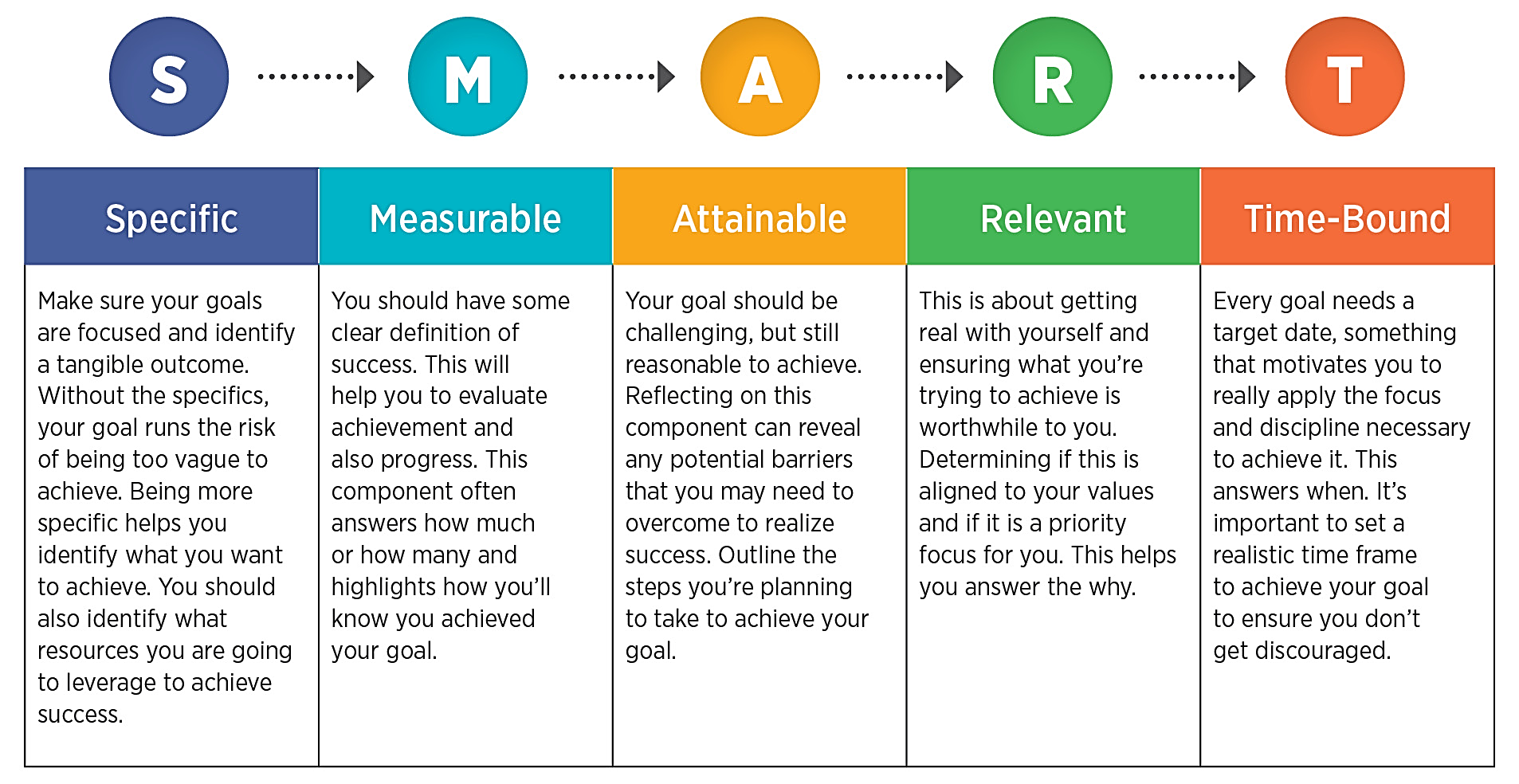
For example, if your goal is to score at least 65% for an upcoming test, your current actions should help you achieve that goal. Some of the things can include taking notes in class, reviewing your notes daily and clarifying any doubts before the test. Teachers are generally more than happy to assist students in meeting their goals. To achieve results, you must be determined to overcome challenges and be consistent in your efforts. Here is a motivational quote that I held on to when I was a secondary student.

This quote reminded me to aim high and strive towards my goals. It also kept me motivated and optimistic. Are there some motivational quotes that you can print out and put it in your journal or file to inspire you to work hard?
- Energy management to achieve high productivity
“Time management is an oxymoron. Time is beyond our control, and the clock keeps ticking regardless of how we lead our lives. Priority management is the answer to maximizing the time we have.” John Maxwell
All of us have 24 hours but why is it that some people can achieve so much in that same amount of time as compared to others?
Our time is limited and finite, but our energy can be renewed in different ways. Our energies can be classified into 4 domains: physical, emotional, mental and spiritual. Optimal energy management results when our physical, emotional, mental, and spiritual energies are maximised. When we manage our energy well, we can be productive and achieve more within a stipulated time.
- Physical energy
Instead of relying on caffeine and high sugar level foods to boost short-term energy, sufficient sleep, good nutrition and adequate exercise are what will provide us with the fuel for consistent and heightened energy levels.
However, there are many factors that hold students back from maintaining physical energy. These include academic and non-academic responsibilities, social schedules, improper nutrition, lack of sleep, and lack of motivation. Possible negative results from a lack of physical energy could be decreased hours of sleep as well as attention to physical fitness. Being aware of your current levels of physical energy as well as how you can regulate to minimise. a possible crash and burn.
- Emotional energy
Emotional energy requires students to view each day an opportunity to better the world around them. While our bodies produce our physical energy to maximize our movement, emotional energy levels help us to sustain our motivation by building enthusiasm for what we are accomplishing throughout our daily routine. Students can combat the negatives of the day by changing their mindset to a positive one filled with the motivation and inspiration needed to complete the tasks of the day. Challenging themselves to start the day with a positive disposition and move successfully throughout the day will allow students to increase their self-awareness of their energy levels in times of negativity, depression, and stress. Once students realize the difference between energy levels, they can utilize positive emotional energy to help regulate their productivity.
- Mental energy
Mental energy directly connects to a student’s ability to stay focused, retain information, and be productive in the moment. With attention spans decreasing and levels of focus negatively impacted by multi-media and increased out-of-class stimulation, the ability to increase mental energy is imperative to the success of today’s students. Students can combat low mental energy levels by setting short-term and long-term goals for their productivity, only focusing on a single task at a time (decreasing the amount of multi-tasking), taking the time to write notes and making scheduled times to take short breaks once goals have been met. Making students aware of their mental energy levels and how to regulate mental energy can help them to achieve increased levels of success through studying and work completion.
- Spiritual energy
Spiritual energy means having the ability to be mindful and thankful for all that one has accomplished throughout the day. As students find that the roller-coaster of their day will lead them through both controlled and non-controlled levels of energy, it is important that they are reflective of the day’s activities. Tools for success such as gratitude journals, self-talk, listing three positive things that happened during the day, meditation, and praying all assist in the documentation, communication, and application of increased spiritual energy. Making students aware of their current levels of spiritual energy and how to maintain their positivity throughout the day will help increase levels of presence and gratefulness.
Reflection question 1: Which energy domains do you feel that you need to replenish? How can you be recharged again?
Reflection question 2: On average, it takes more than 2 months before a new behavior becomes automatic — 66 days to be exact. What positive habits do you want to develop to help you perform better in school?
Sources:
- https://www.impossiblepsychservices.com.sg/our-resources/articles/2020/01/06/coping-with-major-life-transition-psychologist
- https://www.moe.gov.sg/education-in-sg/our-programmes/social-and-emotional-learning
- https://familiesforlife.sg/discover-an-article/Pages/Coping-with-Secondary-School-Tips-for-Parents.aspx
- https://files.eric.ed.gov/fulltext/EJ1178733.pdf