As humans hibernate, animals take opportunity to roam free
https://www.youtube.com/watch?v=sefnYG2iGG0 (3.34mins)
Facts about sea turtles
https://video.nationalgeographic.com/video/animals-source/101-videos/00000168-c4be-d0fe-a76e-f4bf11e90000 (3.29mins)
Suggested Reading:
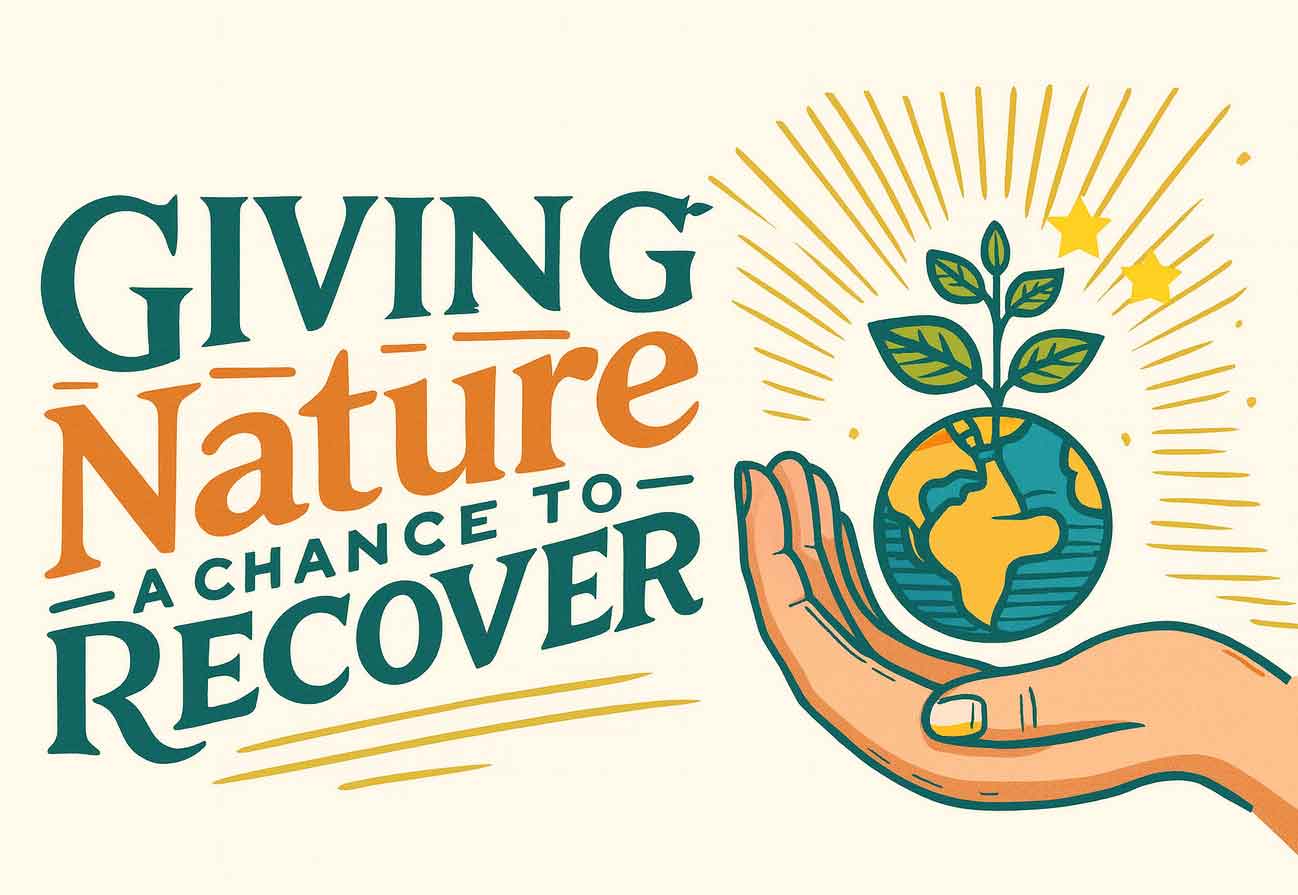
Giving nature a chance to recover
From cleaner air to liberated wildlife, coronavirus lockdowns across the world appear to have had a number of positive effects on the environment. Modern life, as we know it, has largely been put on pause with millions of us cooped up indoors as governments try to curtail the spread of the Covid-19 pandemic.
But outside, the natural world has continued to rumble on, and even showing signs of benefiting from our absence.
Lockdown in London and other cities across the world has seen streets deserted and air pollution levels decrease
(Image credits: https://www.standard.co.uk/news/world/positive-impact-environment-coronavirus-lockdown-a4404751.html)
Cleaner air and increased visibility
Cleaner air has perhaps been the single greatest positive effect of the lockdowns on the environment. Citizens in Northern India are seeing the view of the Himalayan mountain range for the first time in their lives, due to the drop in air pollution. Those living in Jalandhar in northern Punjab have shared pictures of the mountains from rooftops and empty streets, amazed by the view which has been hidden by pollution for 30 years.
The Himalayas are visible in Northern India (Image credits: @parasrishi / Twitter)
In fact, cities across the world have seen pollution levels plummet as people have spent less time in vehicles, offices and factories and more time at home.
While in China, where the Covid-19 pandemic originated, carbon emissions fell by around 25 per cent over a four-week period at the beginning of this year as authorities shuttered factories and people were instructed to stay home, according to an analysis carried out for the climate website Carbon Brief.
Meanwhile, with aviation grinding to a halt and millions of commutes no longer taking place across the world, emissions patterns in many countries would appear likely to follow the same downward trend.
Clearer water
In Venice, famous for its winding canals, water quality appears to have improved amid Italy’s stringent coronavirus lockdown. Residents in the city have said the waterways are benefiting from the lack of usual boat traffic brought on by the hordes of tourists who visit each year.
With the decline in water traffic usually generated by tourism, muddy canal floors are no longer being churned up. Hence there is a reduced amount of sediment clouding the waterways, The change has reportedly offered locals clear views of shoals of small fish, crabs and multi-coloured plant-life. These sights are often obscured by busy boating movement in the Lagoon.
Emptied of the motorboat taxis, transport and tourist boats which usually clog Venice’s canals, there has reportedly been a sharp uptick in the clarity of the city’s waterways (Image credits: https://static.standard.co.uk/s3fs-public/thumbnails/image/2020/04/03/12/venicewater0304.jpg?w530)
Liberated wildlife
Wildlife has taken the opportunity presented by our widespread absence from suburban streets and city centres to venture out and explore.
While there has been a host of debunked fake stories about animals’ activities during Covid-19 lockdowns, there have also been plenty of instances of creatures across the world appearing to emboldened, and perhaps a bit bemused, by our ongoing lack of activity.
From a herd of marauding goats taking over a Welsh seaside town to deer in a Japanese city roaming the roads in search of food, the shift in behaviours ranges from the beautiful to the downright bizarre.
Goats take over the deserted streets of Llandudno, Wales.
(Image credits: https://static.standard.co.uk/s3fs-public/thumbnails/image/2020/03/31/10/LlandudnoGoats3103-5.jpg?width=700&height=430&fit=bounds&format=pjpg&auto=webp&quality=70&crop=16:9,offset-y0.5)
“This is the habitat they [the animals] once had and that we’ve taken away from them,” said Marcelo Giagnoni, the director of the agricultural and livestock service that took part in an operation to capture the puma alongside police and the national zoo.
According to research released by conservation charity Plantlife, wild flowers have the opportunity to bloom exponentially throughout the UK this summer because of the councils cutting back on mowing services,
Trevor Dines, Plantlife’s Botanical Specialist said: “An unintended but understandable consequence of lockdown may be reduced mowing that has the potential to benefit wild plants and the bees, butterflies, birds, bats and bugs that depend on them for survival.”
Across the world, the lockdowns may just be showing us how quickly the natural world around us can adapt and thrive in our absence when given some space. Or to put it simply, when we move out, nature can move in.
These significant changes in the natural environment give us the opportunity to reflect deeply on how humans’ actions have impacted our environment. The condition and state of nature has certainly taken a backseat in the name of economic growth and development.
What other positive changes have you observed in your country during the Covid-19 lockdown?
Source: https://www.standard.co.uk/news/world/positive-impact-environment-coronavirus-lockdown-a4404751.html